Exploring its role in preserving heritage buildings while meeting today’s needs
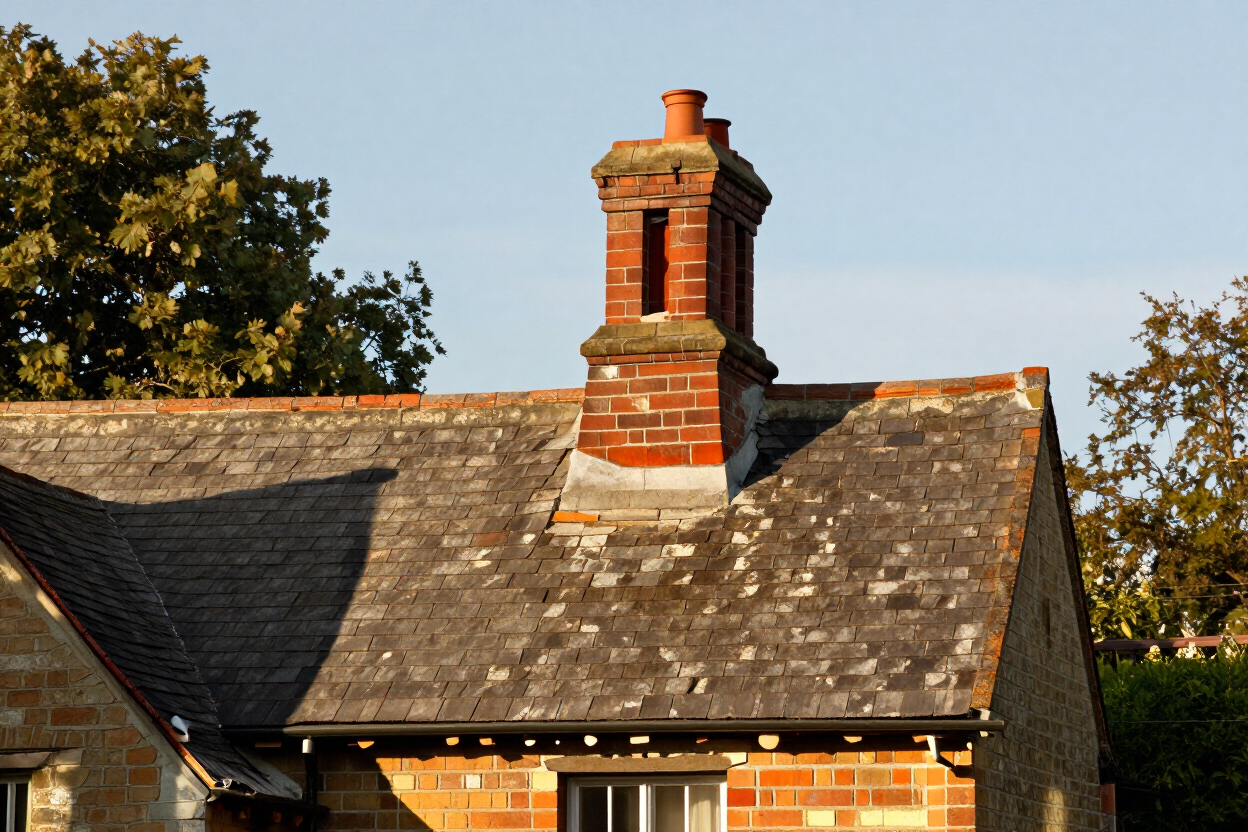
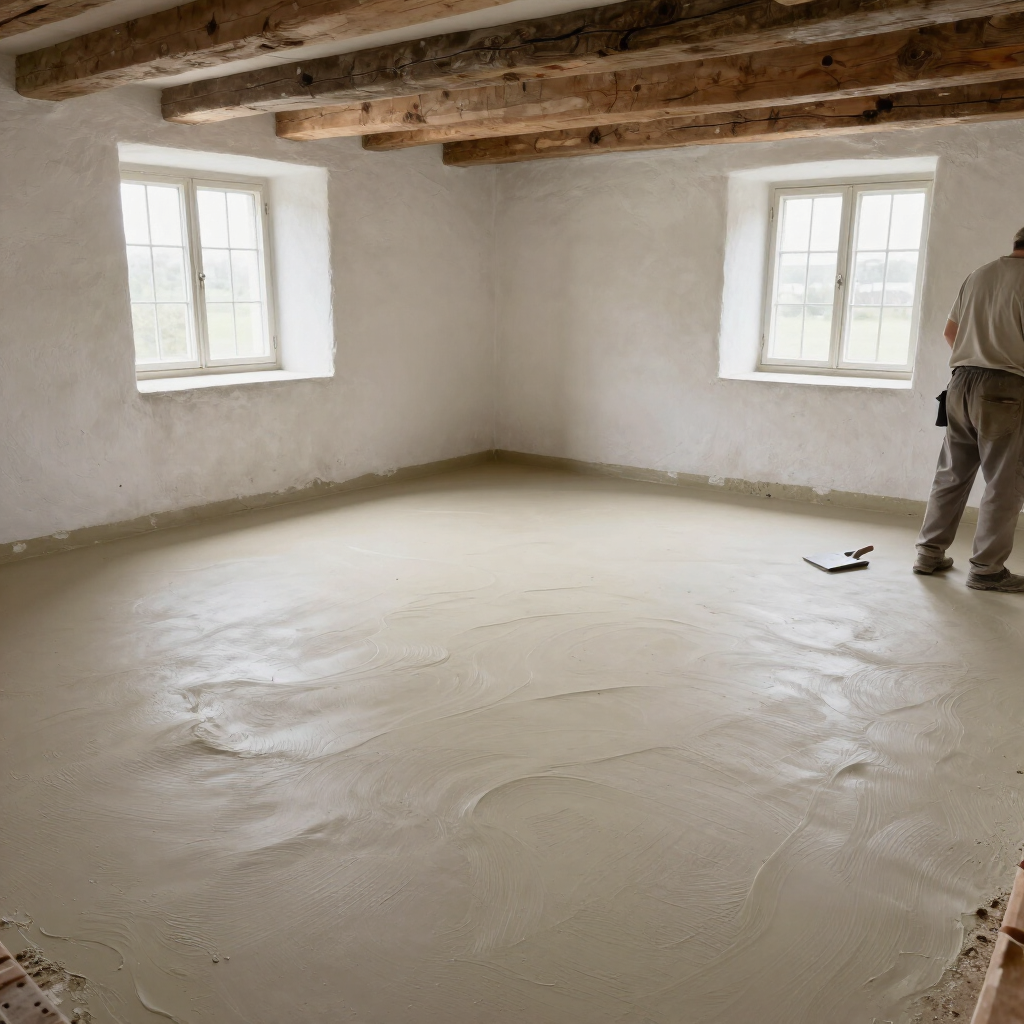
When restoring an older property, the choice of materials has a huge impact on both the success of the work and the long-term condition of the building. Some modern products promise speed and durability, but they are not always the best match for traditional structures. Lime mortar, a material used for hundreds of years, continues to offer qualities that make it especially suitable for restoration projects.
Moisture Management and Breathability
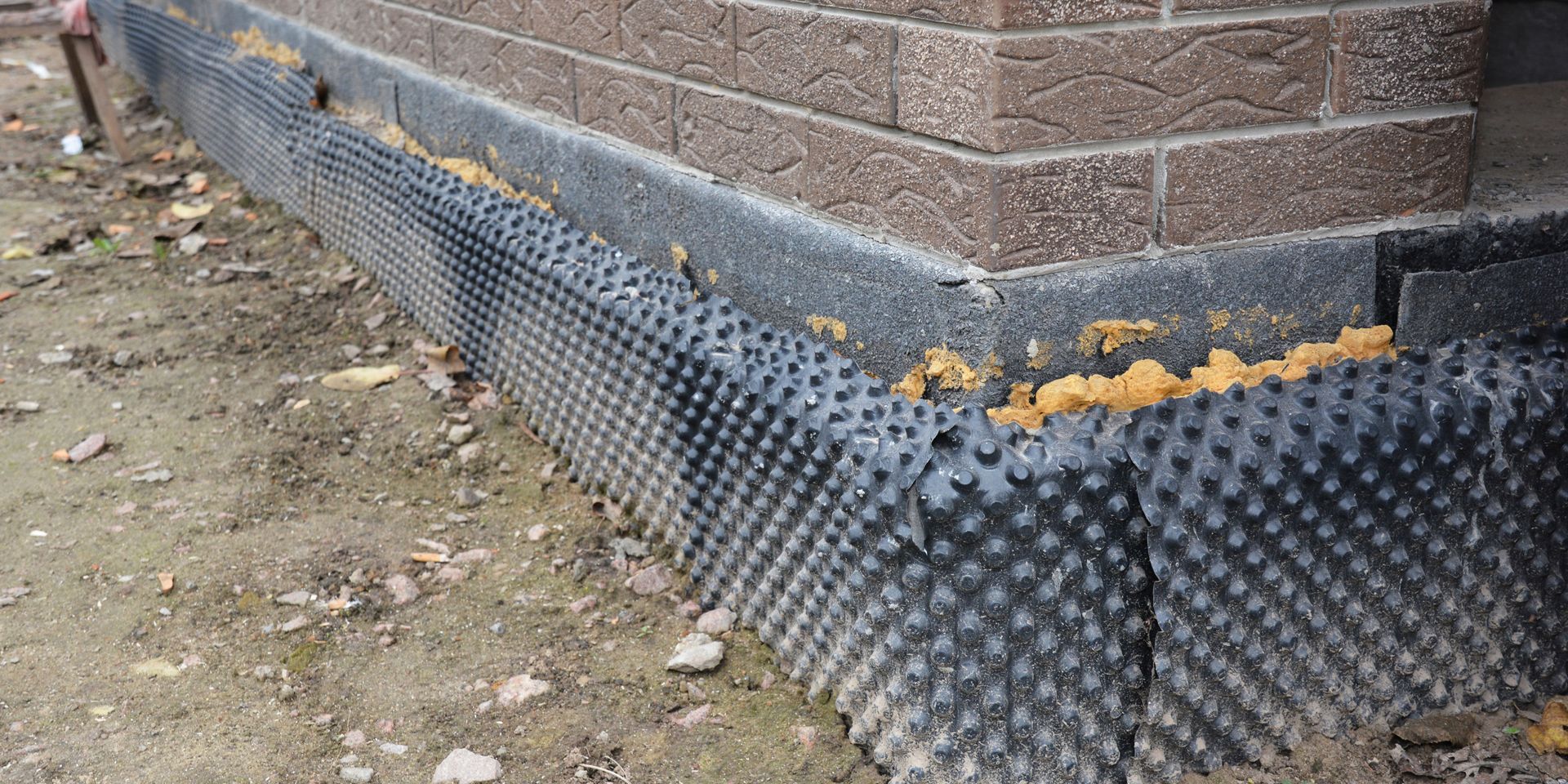
Historic buildings were constructed to handle moisture differently from modern ones. Solid walls and natural materials allow water vapour to pass through, which helps prevent damp and decay.
- Lime mortar supports this natural process by allowing moisture to evaporate
- It helps avoid the build-up of trapped water that can damage masonry
- This breathability is crucial for keeping older structures in good condition over time
Movement and Stability
Older buildings often shift slightly over the years due to settling or seasonal changes. A rigid mortar can crack under that movement, but lime mortar behaves differently.
- It offers a degree of flexibility, reducing the risk of cracking
- Joints remain intact and functional even when there is slight structural movement
- This helps preserve the integrity of the wall and reduces the need for repairs
Environmental Advantages
Lime mortar is not only sympathetic to older buildings but also kinder to the environment than many modern alternatives.
- It requires less energy to produce compared to cement-based products
- During the curing process, lime absorbs carbon dioxide from the atmosphere
- Made from natural materials, it can be reused or recycled more easily
These qualities make it a strong choice for those who want a restoration approach that considers sustainability.
Aesthetic Harmony
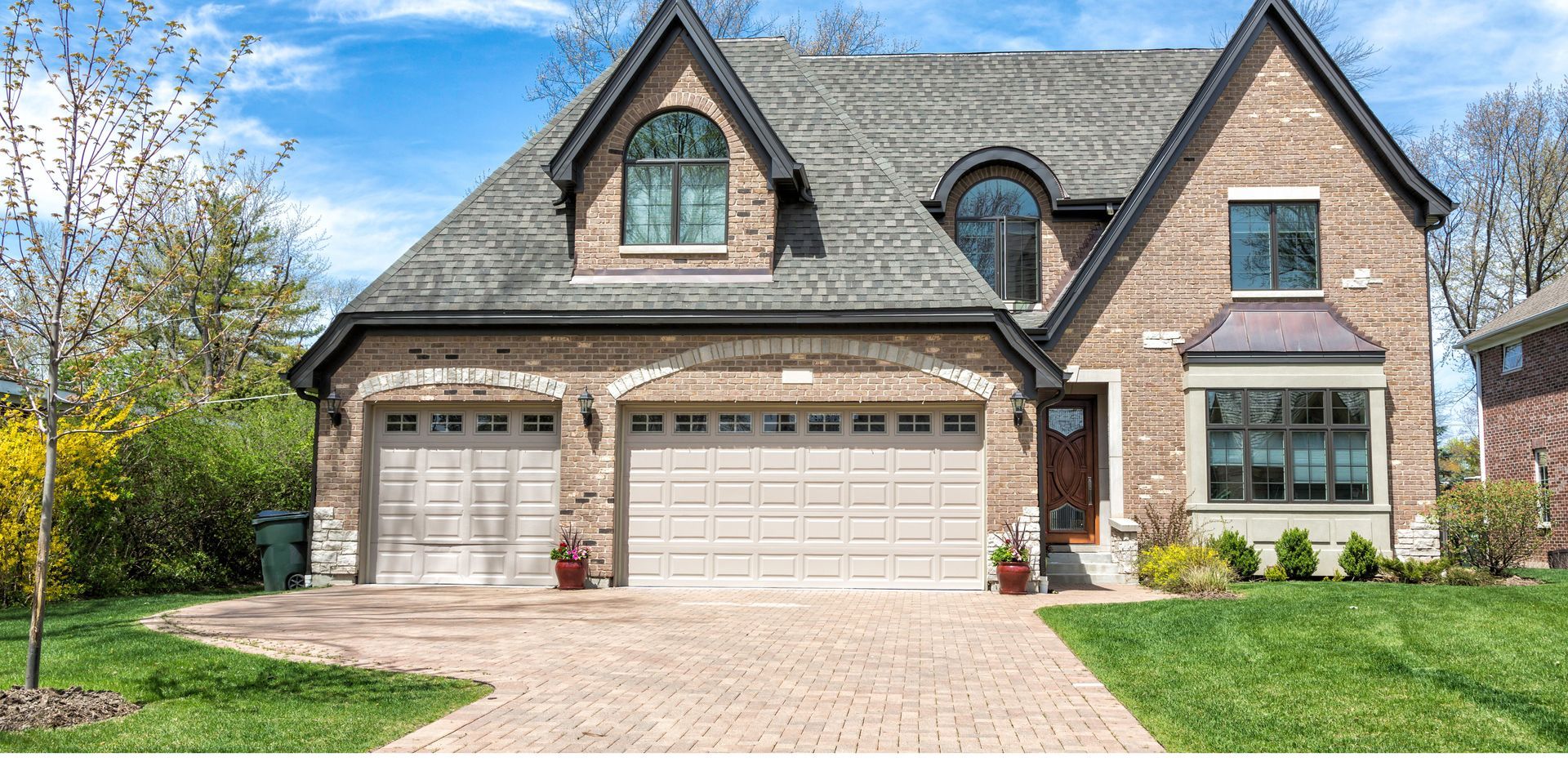
In restoration, blending new work with the existing structure is essential. Materials that mimic the look and feel of the original help achieve a seamless result.
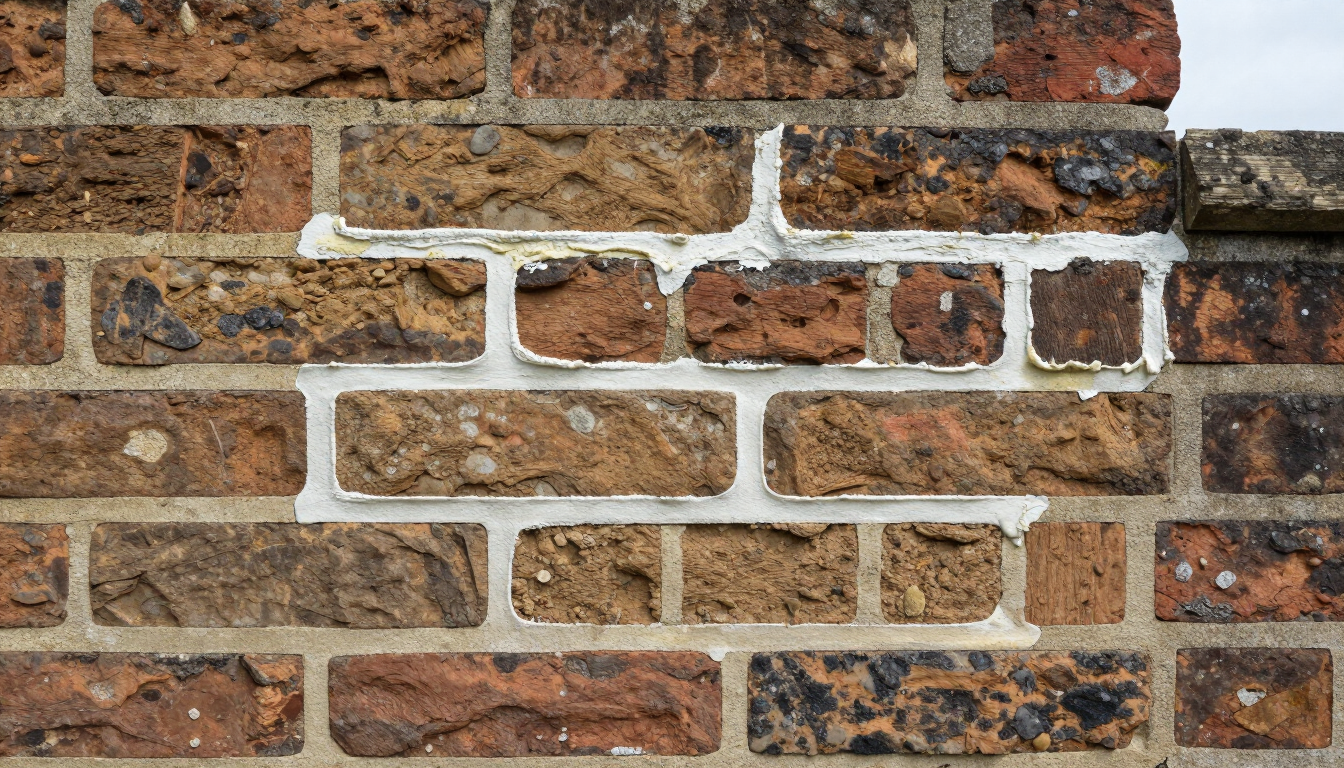
- Lime mortar can be colour-matched to the surrounding stone or brickwork
- It creates a softer, more authentic appearance than harder mortars
- Over time, it weathers in a way that complements the original building fabric
Choosing Lime for the Right Reasons
While there may be situations where modern mortars have a role, lime remains a leading choice for most heritage restorations. Its combination of breathability, flexibility, sustainability and aesthetic compatibility makes it uniquely suited to preserving the character and health of older buildings.
If you are planning a restoration and want guidance on materials that protect your property while staying true to its history, visit www.pointbuilders.co.uk to learn more about our expertise in working with lime mortar and other heritage building methods.
Contact Us