How Much Does a Loft Conversion Cost in St Albans and Hertfordshire?
Thinking about turning your attic into a bright bedroom, a dedicated study, or a new bathroom before summer? A well-planned loft conversion can unlock valuable space with far less disruption than a ground-floor extension. The big question is always cost — and what you can realistically achieve within your budget in St Albans and across Hertfordshire.
This guide sets out honest local price ranges by loft type, explains what drives cost up or down, and tackles common myths like the idea of a full conversion for £30k. We also cover council tax, timing, and how value stacks up at resale. If you are in a period property or Conservation Area, there are pointers on design and permissions so you can plan with confidence.
Typical Loft Conversion Costs in Hertfordshire
Every project is different, but recent market norms in St Albans and wider Hertfordshire typically fall into the ranges below. These figures include standard finishes and VAT, but exclude unusual structural work and premium fixtures:
- Roof-light (Velux) conversion: £35k to £55k. Best where head height is already good and the roof structure is straightforward.
- Rear dormer conversion: £55k to £80k. Adds usable floor area and head height, usually enough for a bedroom and a shower room.
- Hip-to-gable with rear dormer: £75k to £110k. Common on hipped-roof semis and detached homes to gain a full-width attic room.
- Mansard conversion: £90k to £140k+. Complex structure and extensive roof alteration, most common in urban terraces and period homes.
Allow more where you are adding a high-spec en-suite, bespoke joinery, or extensive conservation work. In listed buildings, expect additional design input, permissions, and traditional craft that can increase both time and cost.
How These Figures Compare Across the UK
Hertfordshire sits in the mid-to-upper band nationally, due to labour rates, access, and the specification levels the local market expects. Across the UK, roof-light projects can start around £30k to £40k in lower-cost regions, with dormers commonly £50k to £75k and complex schemes above £90k. St Albans often tracks 5 to 15 percent higher than the UK average for like-for-like quality, driven by demand and a heritage housing stock that requires more care.
What Drives Cost on a Loft Conversion
Budgets vary most around structure, services, and specification. The biggest cost drivers are:
- Structure and steelwork. RSJs, trimming for dormers, and strengthening joists add material and labour. Complex roofs, shallow pitches, and older timber often need more engineering input.
- Stairs. New staircases that meet Building Regulations and feel natural in your layout can require clever design. Bespoke timber, balustrades, and alterations to landings all add cost.
- Insulation and fire compliance. Current standards aim for excellent thermal performance and safe escape routes. Expect rigid insulation build-ups, fire doors, linked smoke alarms, and upgraded ceilings below.
- Bathrooms. An en-suite adds plumbing, ventilation, waterproofing, tiling, and fixtures. Sanitaryware and tiling choices swing costs significantly.
- Windows and glazing. Roof-lights are cost effective. Dormer fascias, large-format glazing, and conservation roof windows carry premiums. In Conservation Areas, heritage-appropriate details are often required.
- Finishes and joinery. Built-in wardrobes, bespoke eaves storage, oak handrails, and premium flooring uplift quality and spend.
- Access and scaffolding. Tight sites, restricted parking, and long carry routes increase programme length and labour costs.
The Most Expensive Parts of a Loft Conversion
Clients are often surprised that the visible dormer box is not the priciest element. The top spend areas are usually:
- Structural changes and roof works
- Stairs and associated alterations to the floor below
- Plumbing and electrics for an en-suite
- Insulation and fire compliance upgrades
- External finishes to match existing tiles, lead, and fascia details
Can You Get a Loft Conversion for £30k?
A full dormer or hip-to-gable for £30k is highly unlikely in Hertfordshire at current material and labour rates. A minimal roof-light-only conversion — no bathroom, basic finishes, and easy structure — might approach the very low end of that range in some parts of the UK. In St Albans, even a simple roof-light project typically lands above £30k once you factor in scaffolding, insulation to current standards, professional design, and compliance. If a quote seems too good to be true, check carefully what is excluded, the programme, and the builder's credentials.
Council Tax and Loft Conversions
Adding a loft conversion does not automatically move your property into a higher council tax band. The Valuation Office Agency generally reassesses only when the property is sold, or when there is a substantial change that triggers revaluation. If your conversion significantly increases the property's value, the band could change at that point. Always check current local guidance, and plan your project primarily for the space and lifestyle benefits rather than to manage council tax.
Best Time of Year to Start
Loft conversions are less weather-sensitive than groundworks, but the build still exposes the roof for periods. Spring and early summer offer longer, drier days that help with roofing, leadwork, and external finishes. Autumn can work well too with a solid watertight plan in place. The real key is booking an experienced team early so that design, structural calculations, party wall matters, and any permissions are ready before scaffolding goes up — that way you hit the best windows for roof coverings and keep the programme tight.
Value at Resale vs. Value in Use
Well-executed loft conversions typically add a good proportion of their build cost to market value. In St Albans, creating a true extra bedroom — ideally with an en-suite — can expand the buyer pool and improve price per square foot. That said, resale uplift varies with location, comparables, quality of work, and how well the new room integrates with the rest of the home. Many homeowners find the day-to-day benefit is the bigger win: a calm main suite, a dedicated study, or a teenage den that frees up space elsewhere in the house.
Period Homes and Listed Buildings
In Conservation Areas and listed properties, sensitive design and the right materials are not optional — they are essential. Traditional roof coverings, handmade clay tiles, lime mortar, and bespoke joinery are common requirements. These details protect historic fabric and keep conservation officers on side, but they do add to the budget and timeline. Point Builders has decades of experience working on heritage properties across Hertfordshire, integrating modern comfort with traditional craft in a way that satisfies both clients and conservation requirements. You can also explore our broader domestic refurbishment and extensions service if your project involves works beyond the loft.
Planning, Permissions, and Neighbours
Many rear dormers fall under Permitted Development, but limits apply to volume, materials, and overlooking. Hip-to-gable and mansard changes, or homes in Conservation Areas, often require full planning consent. You may also need Party Wall agreements where work is on or near a shared wall. Getting drawings, structural design, and notices in place early saves time and avoids unnecessary stress later in the programme.
Frequently Asked Questions
How much does a loft conversion cost in St Albans and Hertfordshire?
Roof-light conversions typically run £35k to £55k. Rear dormers sit between £55k and £80k. A hip-to-gable with dormer is usually £75k to £110k, and mansard conversions start at £90k and can reach £140k or more. Listed buildings and premium specifications cost more than these ranges.
How much should a loft conversion cost across the UK?
Nationally, roof-lights often run £30k to £50k, dormers £50k to £75k, and complex schemes over £90k. Hertfordshire tends to sit above the national midpoint due to local labour rates and heritage housing demand.
Does a loft conversion increase my council tax?
Not immediately in most cases. Re-banding may occur when the property is sold or after a significant change that triggers revaluation. It is worth checking current local guidance before you start, but it should not be the deciding factor in your project planning.
What is the best time of year to start a loft conversion?
Spring and early summer are ideal for roof works, with longer and generally drier days. The best approach is to complete design, structural work, and any planning approvals ahead of that window so the build can move quickly once scaffolding is up.
Can I get a loft conversion for £30k?
Realistically, not for a dormer or larger scheme in Hertfordshire. A very simple roof-light-only project might approach that figure elsewhere in the UK, but local projects in the St Albans area typically exceed £30k even for the most straightforward scope.
Do I need planning permission for a loft conversion?
Many rear dormers fall under Permitted Development and do not require a full planning application, but there are volume and material limits. Homes in Conservation Areas, or projects involving hip-to-gable or mansard changes, usually do need consent. Party Wall notices may also be required. Getting advice early avoids delays once the build is underway.
Ready to Explore Your Roof Space?
If you are weighing up a roof-light conversion against a dormer, or you need heritage-sensitive advice for a period home, Point Builders Ltd can help you shape a realistic budget and timeline. We are a Federation of Master Builders member and TrustMark-registered, with decades of experience blending traditional techniques with modern comfort across Hertfordshire and beyond.
Book a free site survey and no-obligation quote through our
contact page. If your plans include broader works, our team also covers
home extensions and full refurbishments,
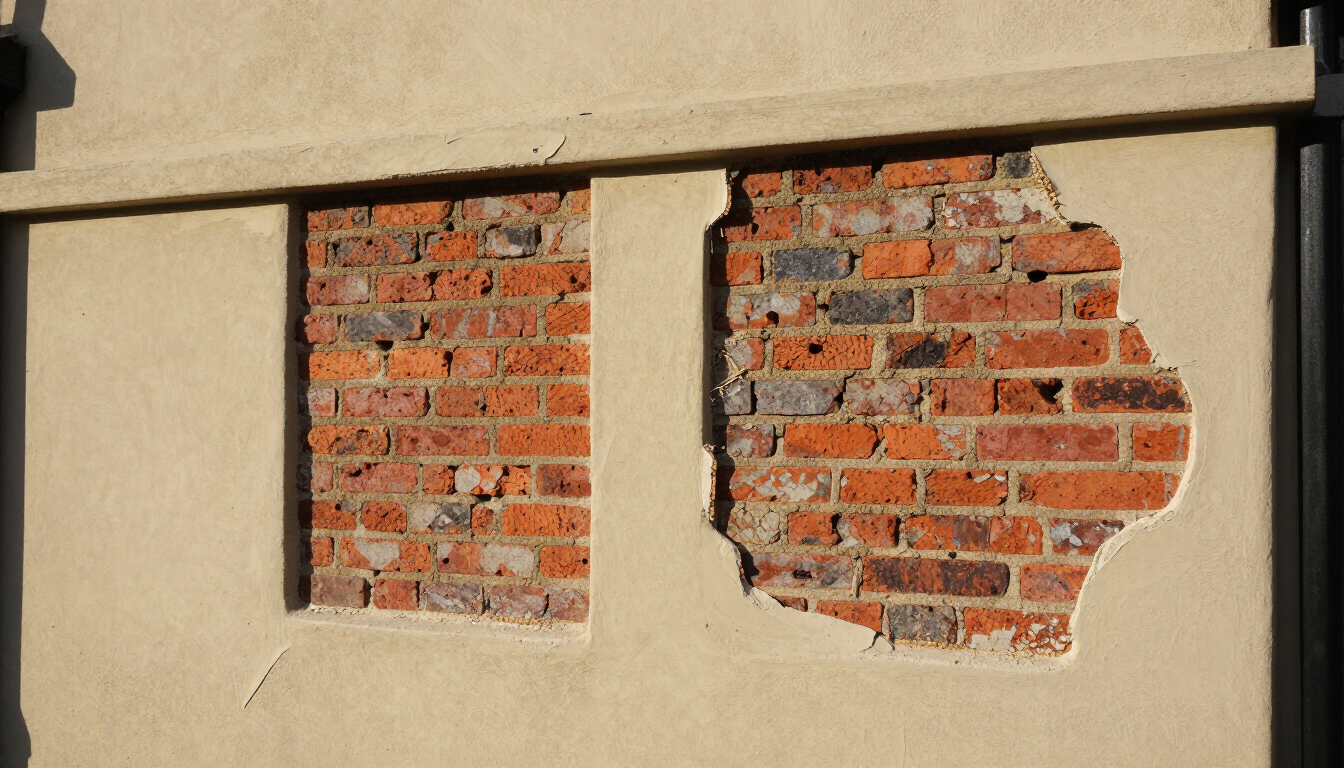
lime mortar plastering,
lime pointing,
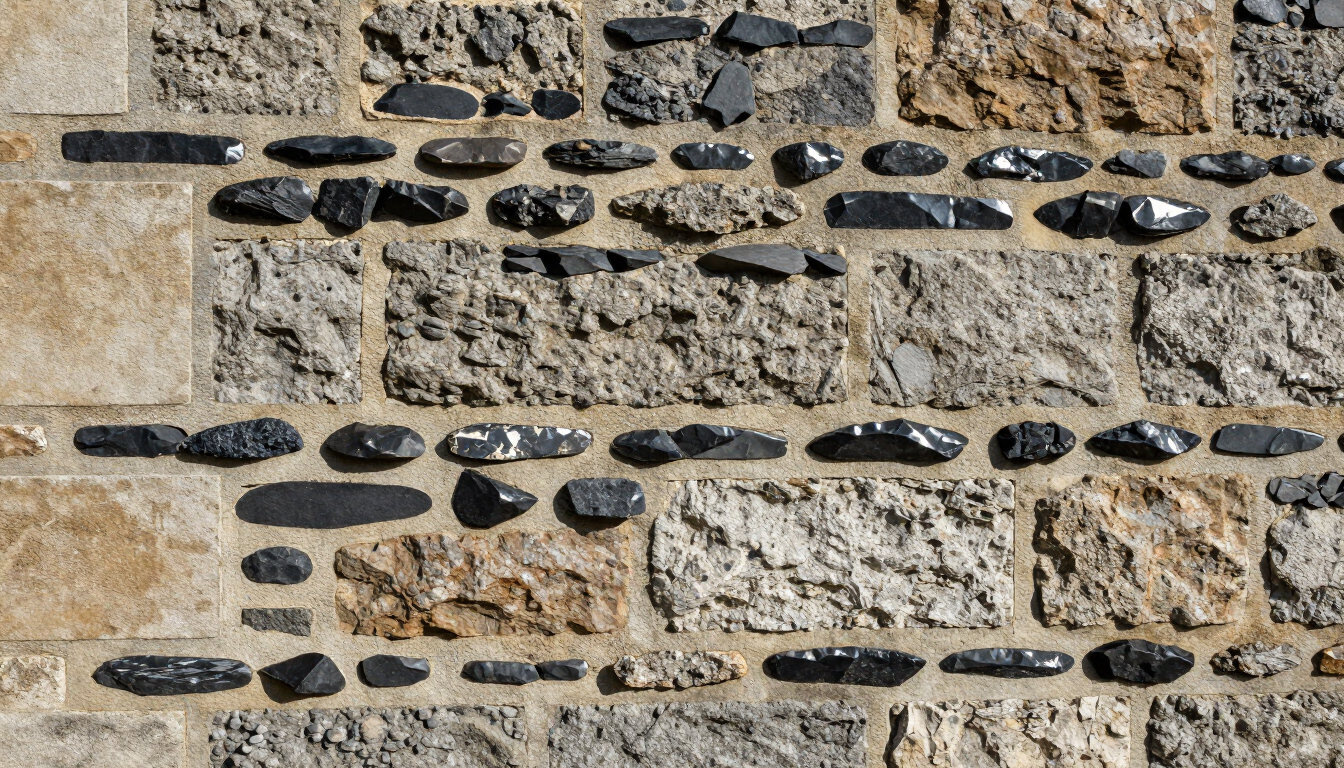
stone masonry and flintwork, and
bespoke carpentry.