Stone and Flint Masonry: A Guide to Traditional British Craft
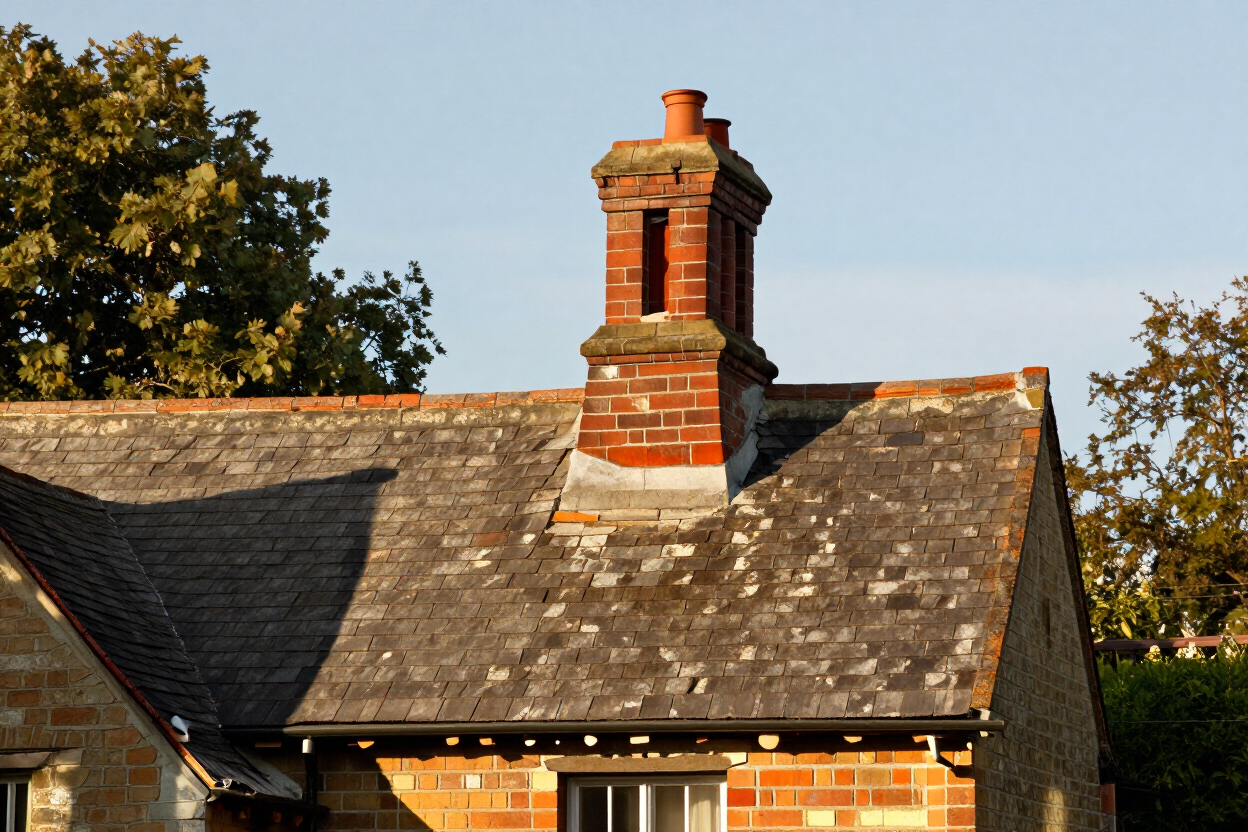
Traditional British architecture is filled with beautiful examples of stone masonry and flint walls, from historic churches and cottages to listed buildings and boundary walls. These timeless construction methods have been used for centuries and continue to play an essential role in preserving the character of older properties across the UK.
In recent years, there has been a renewed appreciation for traditional craftsmanship, particularly among homeowners restoring period properties with the help of home refurbishment companies. Understanding the importance of stone and flint masonry can help you make informed decisions when repairing, renovating, or maintaining your home.
In this guide, we'll explore the history of stone and flint work, why it matters today, and how skilled craftsmen are keeping this remarkable trade alive.
What Is Stone and Flint Work?
Stone and flint work is a traditional masonry technique that combines natural flint stones with carefully cut stone blocks or bricks to create durable and visually appealing walls.
Flint is a hard sedimentary rock commonly found in southern and eastern England, particularly in counties such as Norfolk, Suffolk, Kent, Sussex, and Hampshire. Because flint is incredibly durable and readily available in these regions, it became a popular building material throughout British history.
Stone was often incorporated around windows, doors, and corners to provide strength and create decorative patterns.
Today, authentic stone and flint work remains one of the defining features of many historic British buildings.
The History of Stone and Flint Work in Britain
The use of flint in construction dates back thousands of years. Archaeological evidence shows that early communities used flint not only for tools but also for building structures.
During the medieval period, flint became particularly popular because quality building stone was expensive and difficult to transport. Many famous buildings feature stunning examples of flint masonry, including medieval churches, manor houses, boundary walls, agricultural buildings, and historic cottages.
The craft reached its peak between the 14th and 16th centuries, with highly decorative techniques such as knapped flint work becoming widely used.
Today, these historic structures remain a testament to the exceptional skills of traditional masons.
Why Stone and Flint Work Is Still Important Today
Although modern building materials are readily available, traditional stone and flint work continues to offer several advantages.
Preserves Historic Character
For listed buildings and heritage properties, using traditional materials is often essential to preserve the original appearance and architectural integrity of the structure.
Modern replacements can significantly alter the look and performance of older buildings.
Exceptional Durability
Flint is one of the hardest natural materials found in Britain.
When properly installed, stone and flint walls can last for centuries with minimal maintenance.
Many existing flint buildings are several hundred years old and remain structurally sound.
Sustainable Building Material
Flint is a naturally occurring local resource in many parts of the UK.
Using locally sourced materials reduces transportation emissions and supports traditional building methods that have a lower environmental impact.
Increased Property Value
Well-maintained period features often increase the value and appeal of historic properties.
Authentic stone and flint work can significantly enhance a home's visual appeal and attract buyers looking for character properties.
Different Types of Stone and Flint Work
Traditional flint masonry includes several techniques that require specialist skills.
Random Flint Work
This style uses irregularly shaped flints placed together to create a natural appearance.
This style uses irregularly shaped flints placed together to create a natural appearance, commonly found in cottage walls, garden walls, and agricultural buildings.
Knapped Flint Work
Knapped flint involves carefully splitting flint stones to expose a flat, glossy surface.
This technique creates a highly decorative finish often seen on churches, manor houses, and historic public buildings.
Flushwork
Flushwork combines cut stone and knapped flint to create decorative patterns, including arches, geometric shapes, lettering, and ornamental panels.
This is considered one of the most sophisticated forms of traditional masonry.
Why Traditional Stone and Flint Work Requires Specialist Skills
Working with flint is considerably different from working with modern brick or concrete blocks.
Each piece of flint is unique in shape and size, requiring the mason to select appropriate stones, carefully shape materials, ensure structural stability, and match existing historic materials.
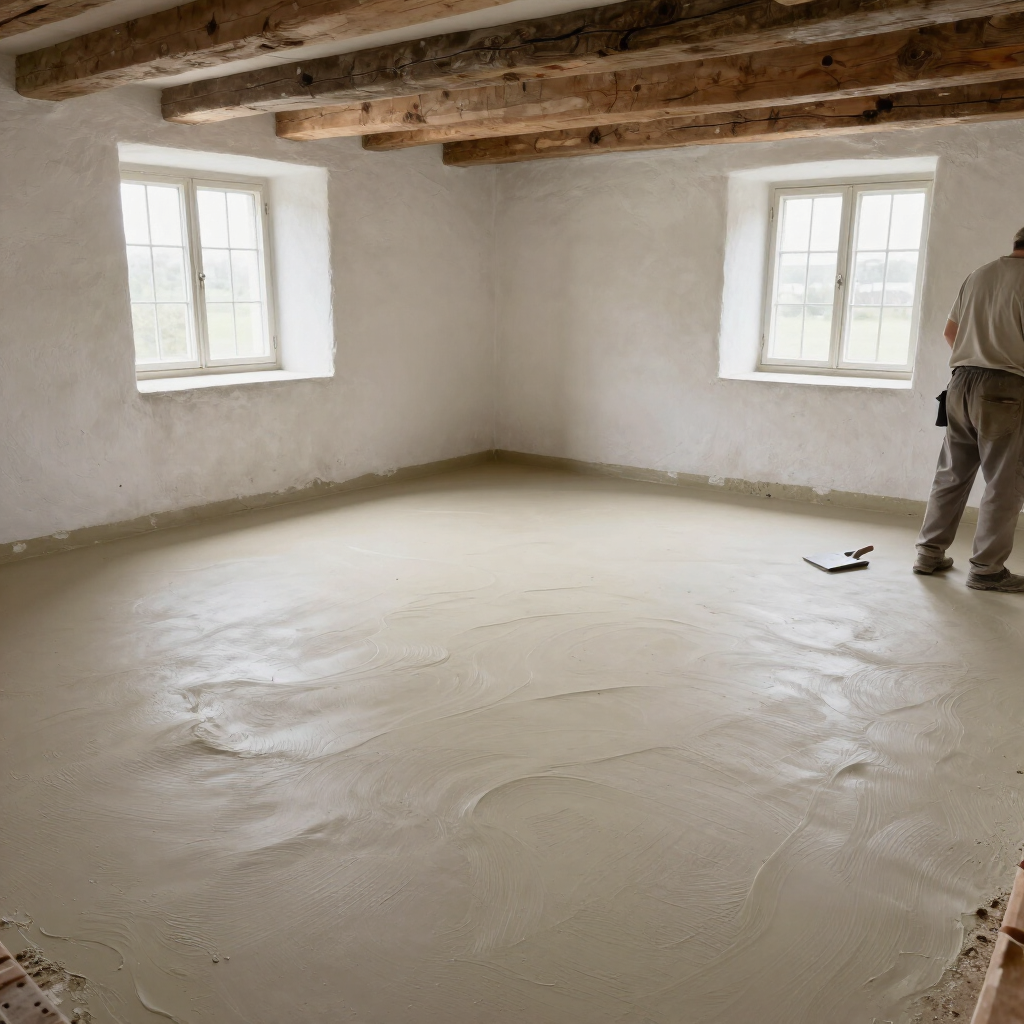
Traditional techniques also rely heavily on lime mortar plastering rather than modern cement.
Using the wrong materials can cause significant damage to older buildings by trapping moisture and accelerating deterioration.
This is why conservation specialists recommend hiring experienced craftsmen with expertise in traditional masonry.
Common Problems Found in Historic Flint Buildings
Like all buildings, stone and flint structures eventually require maintenance.
Some of the most common issues include crumbling mortar, loose flint stones, water damage, and frost damage.
Regular inspections and timely repairs can prevent small issues from becoming expensive restoration projects.
The Importance of Lime Mortar in Stone and Flint Work
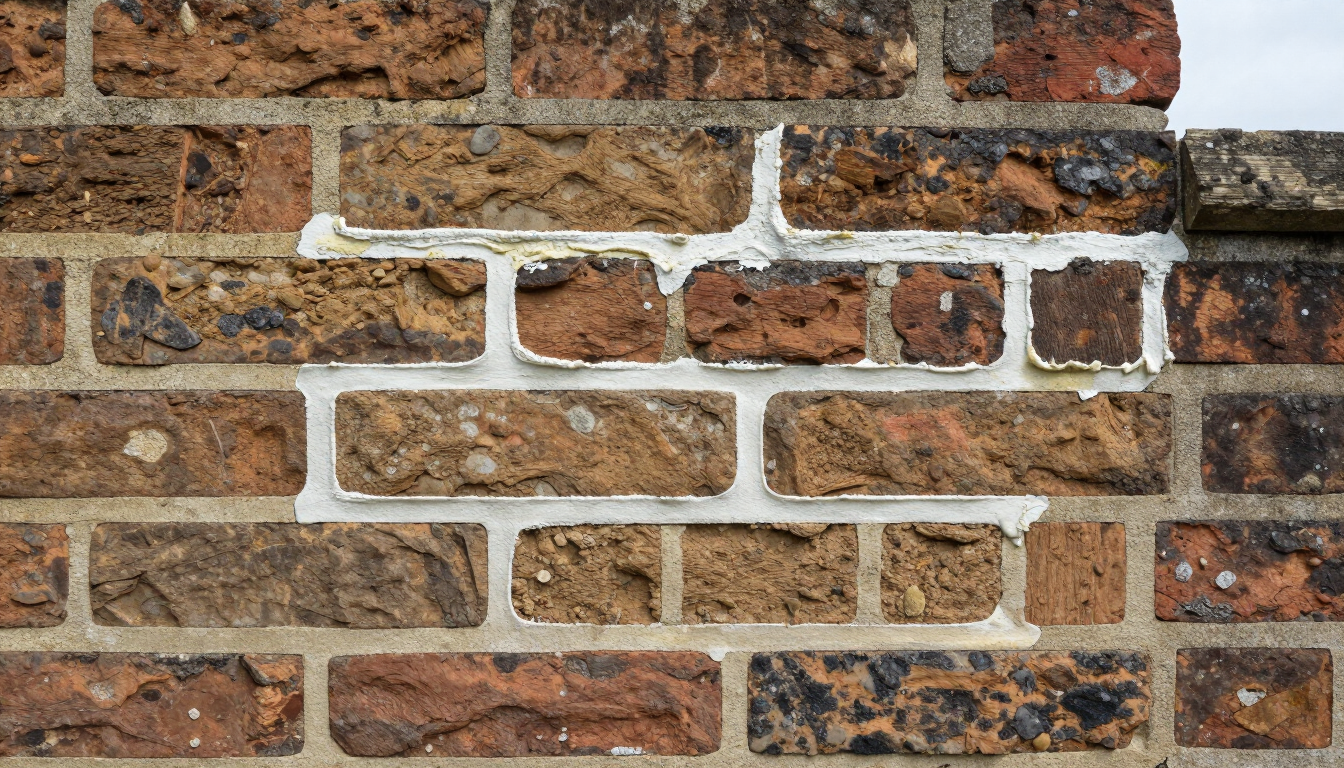
One of the most critical aspects of traditional masonry is the use of lime pointing.
Unlike cement, lime mortar allows buildings to breathe, accommodates natural movement, helps regulate moisture, and reduces the risk of trapped damp.
According to the UK's conservation experts, lime mortar plays an essential role in protecting historic masonry and prolonging the life of traditional buildings.
For this reason, professional restoration specialists nearly always recommend lime-based repairs for older properties.
How Skilled Craftsmen Are Keeping the Tradition Alive
Traditional masonry skills are increasingly rare.
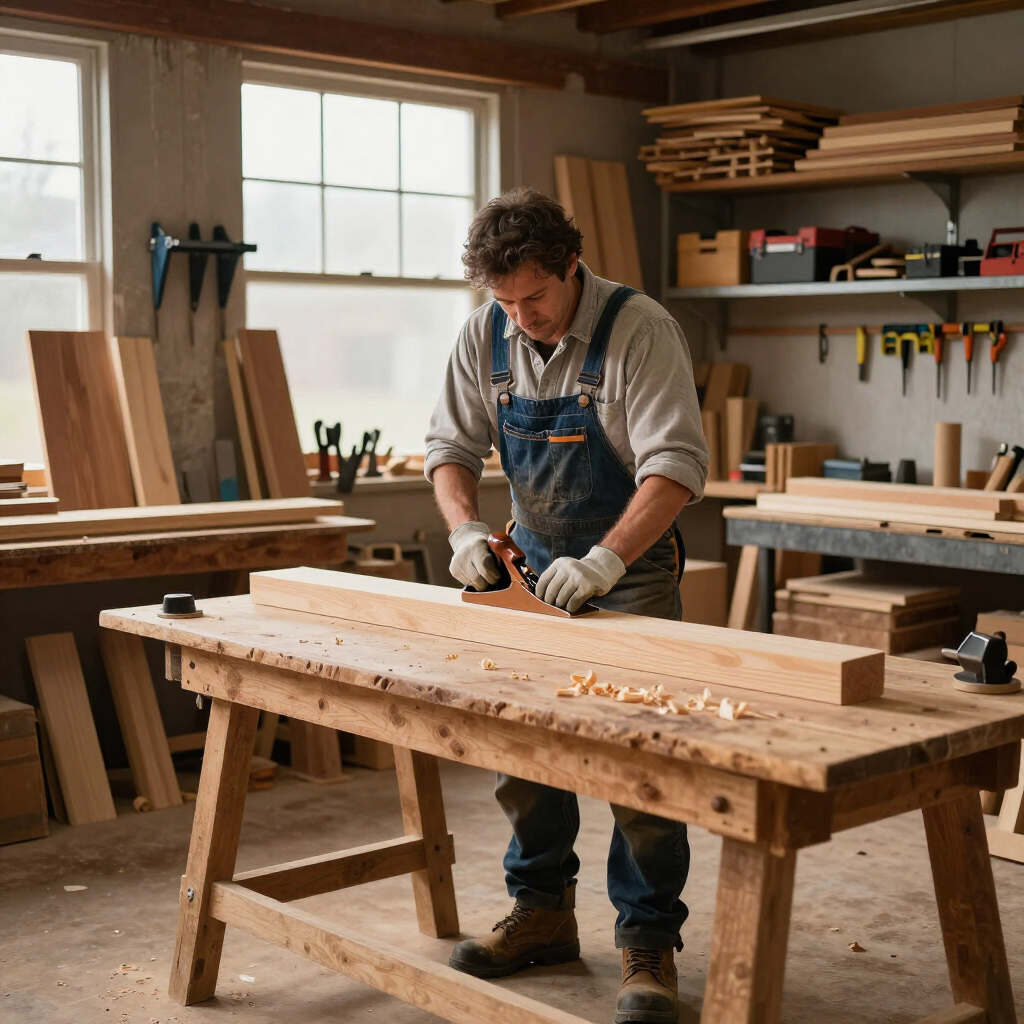
Many experienced craftsmen have spent decades learning techniques that are difficult to replicate through modern construction methods.
Today's restoration services provided by specialist masons continue to preserve the craft by training apprentices, restoring historic buildings, using traditional materials, and following conservation best practices.
Their work ensures that Britain's architectural heritage remains protected for future generations.
When Should You Restore Stone and Flint Work?
You may need professional restoration if you notice missing mortar joints, loose flints, damp patches, cracked masonry, bulging walls, or previous cement repairs.
Early intervention often reduces repair costs and prevents more serious structural damage.
Choosing the Right Stone and Flint Specialist
When selecting a contractor, look for experience with historic buildings, knowledge of lime mortar, a portfolio of previous projects, and an understanding of conservation principles.
Why Traditional Craftsmanship Matters More Than Ever
As many historic properties reach an age where restoration becomes necessary, the demand for skilled stone and flint specialists continues to grow.
Preserving these buildings is about more than maintenance—it's about protecting centuries of British heritage.
Traditional stone and flint work represents craftsmanship, sustainability, and architectural beauty that simply cannot be replicated with modern materials.
By investing in expert restoration today, homeowners help ensure that these remarkable structures survive for generations to come.
Conclusion
Stone and flint work remains one of Britain's most impressive and enduring building traditions. Whether you're restoring a listed cottage, repairing a flint garden wall, or preserving a historic home, choosing the right materials and skilled craftsmen is essential.
Professional restoration not only protects your property but also safeguards an important part of the UK's architectural heritage.
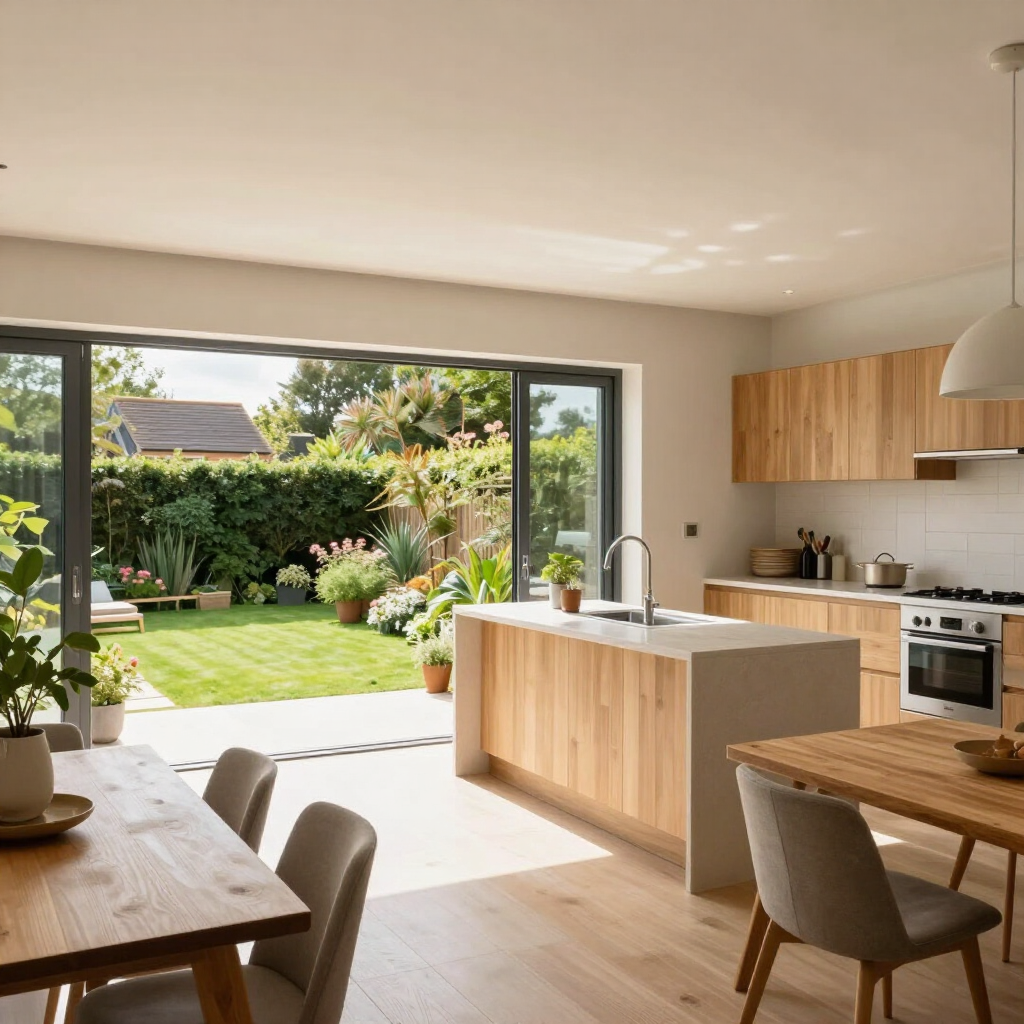
If your property shows signs of deteriorating masonry, now is the perfect time to consult an experienced Point Builders specialist. For those looking to modernize their space, Point Builders also specializes in installing a stunning garden room or creating open plan layouts to open up your home this summer.
If your property shows signs of deteriorating masonry, now is the perfect time to consult an experienced restoration services specialist and ensure your stone and flint work stands the test of time.