Lime Mortar Plastering for Heritage and Listed Buildings
When it comes to preserving Britain's historic properties, using the right materials is essential. Many homeowners assume modern cement products offer the best protection, but for period homes and listed buildings, this can actually cause serious damage. This is why lime mortar plastering remains the preferred solution for conservation experts, heritage builders, and restoration specialists throughout the UK.
Whether you own a Victorian terrace, a Georgian townhouse, or a centuries-old cottage, understanding the benefits of lime mortar can help protect your property's character and structural integrity for generations to come.
What Is Lime Mortar Plastering?
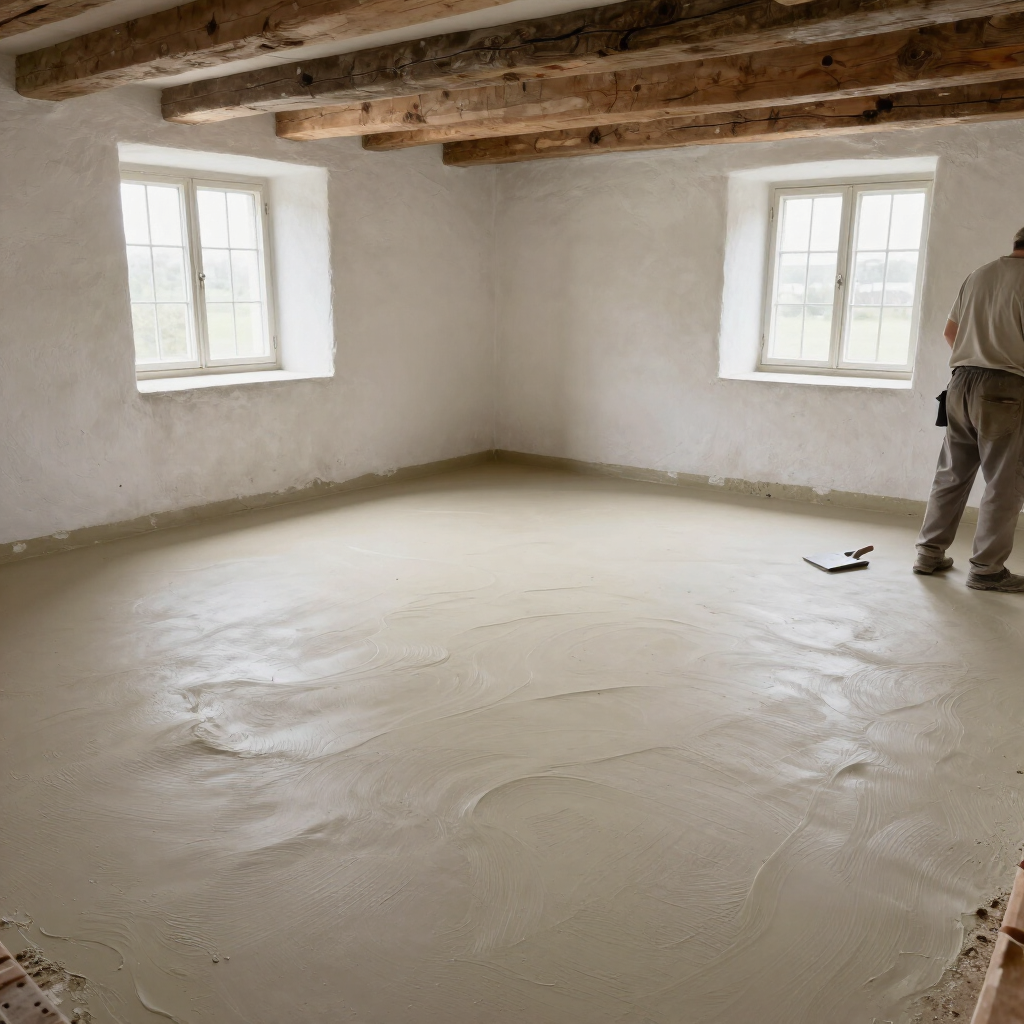
Lime mortar plastering is a traditional building technique that uses lime, sand, and water to create a breathable mortar and plaster system. Before the widespread use of cement in the early 20th century, lime mortar was the standard material used in most British buildings.
Unlike cement, lime mortar remains flexible and allows moisture to evaporate naturally from walls.
Key Characteristics of Lime Mortar
Lime mortar is distinguished by several key characteristics that make it ideal for heritage work. It is highly breathable and vapour permeable, while remaining flexible enough to accommodate natural building movement. Furthermore, its ability to self-heal through natural carbonation makes it environmentally friendly and perfectly compatible with historic masonry.
These properties make lime mortar plastering particularly suitable for older and listed buildings.
Why Older Buildings Need Breathable Materials
Many period properties were designed to "breathe." Their walls naturally absorb and release moisture throughout the year.
When modern cement products are introduced, they trap moisture inside the building fabric, leading to problems such as:
Introducing modern cement products to period properties often traps moisture inside the building fabric, which inevitably leads to significant issues such as damp patches, salt deposits, and crumbling brickwork. Over time, this trapped moisture can cause rotting timber and internal mould growth, compromising the building's health.
Lime mortar works differently by allowing moisture to escape naturally.
The Importance of Moisture Management
Older homes often lack modern damp-proof membranes. Instead, they rely on breathable construction methods. Using impermeable materials can disrupt this balance and accelerate deterioration.
This is one of the main reasons conservation specialists recommend lime mortar plastering for heritage properties.
Why Cement Can Damage Historic Buildings
Modern cement is significantly harder than traditional lime mortar.
Problems Caused by Cement Mortar
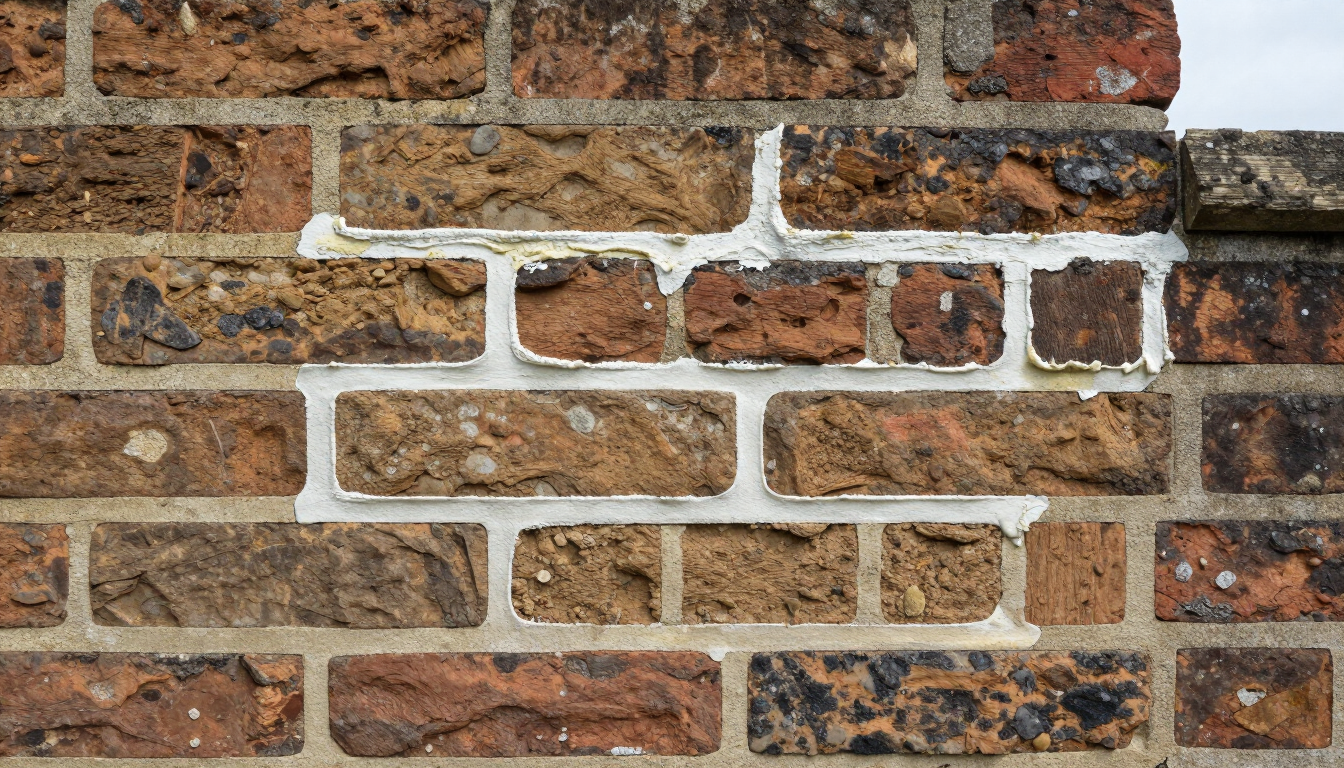
The use of cement mortar on historic structures frequently results in trapped moisture inside the walls, which causes bricks and stone to crack. Because cement prevents natural movement and accelerates frost damage, it often leads to incredibly expensive repairs that could have been avoided with traditional materials.
Many listed buildings suffer unnecessary damage simply because inappropriate materials were used during previous renovations.
The Benefits of Lime Mortar Plastering
1. It Allows Buildings to Breathe
Breathability is arguably the greatest advantage of lime mortar. Moisture can evaporate through the mortar rather than becoming trapped inside the masonry.
2. It Reduces Damp Problems
Many homeowners assume rising damp requires chemical treatments. In reality, replacing cement with breathable lime mortar plastering often significantly improves damp issues.
3. It Accommodates Movement
Historic buildings naturally move due to:
- Seasonal temperature changes
- Ground settlement
- Moisture fluctuations
Lime mortar's flexibility allows this movement without causing cracks.
4. It Protects Historic Brickwork
Traditional bricks are often softer than modern equivalents. Lime mortar acts as a sacrificial material, taking the strain and preserving the masonry.
5. It Is Environmentally Friendly
Lime production generally has a lower environmental impact than cement and can even reabsorb carbon dioxide during the curing process.
Why Lime Mortar Is Essential for Listed Buildings
If your property is listed, using inappropriate materials could potentially affect its historic significance.
Many local authorities and conservation officers recommend:
Many local authorities and conservation officers recommend traditional lime pointing, lime render systems, and breathable restoration methods to maintain a property's value.
Using authentic materials helps maintain both the structural integrity and heritage value of your home.
Signs Your Property Needs Lime Mortar Repairs
Your property may benefit from professional lime mortar plastering if you notice a combination of external and internal warning signs. Externally, look for crumbling mortar joints, damp patches on walls, spalling bricks, or cracked render. Internally, these issues often manifest as persistent condensation, flaking paint, peeling wallpaper, musty smells, or damp patches that appear specifically after rainfall.
Addressing these issues early can prevent costly structural repairs.
Common Types of Buildings That Benefit from Lime Mortar
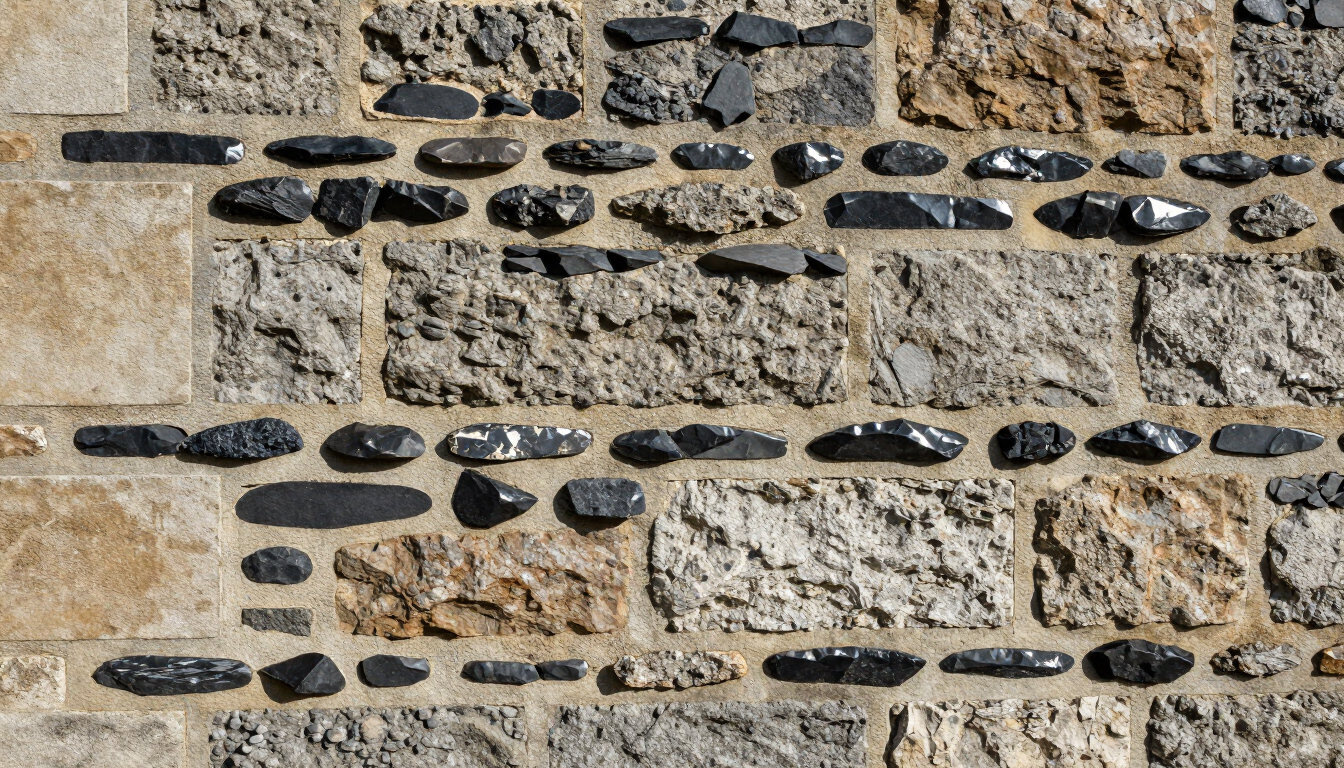
Traditional UK properties such as Georgian homes, Victorian terraces, and Edwardian houses are primary candidates for lime mortar. It is equally essential for stone cottages, farmhouses, and listed buildings. As one of the leading home refurbishment companies, we also find it vital for heritage properties, churches, and historic stone masonry and flint walls.
Even some early 20th-century homes can benefit from traditional breathable materials.
The Lime Mortar Application Process
Professional restoration services follow a meticulous process that begins with a specialist assessment of the building fabric. Once inappropriate repairs are identified, existing cement mortar is carefully removed to protect the masonry. Following thorough surface preparation, new lime mortar is applied using traditional methods and allowed to cure slowly under careful protection.
Patience is essential, but the long-term benefits are significant.
Why Professional Installation Matters
Lime work requires specialist knowledge and experience.
Incorrect mixing or application can lead to:
- Poor adhesion
- Premature failure
- Moisture issues
- Inconsistent finishes
Working with experienced conservation builders ensures your property receives the appropriate treatment and materials.
Maintaining Lime Mortar Plastering
Maintaining lime systems involves simple but effective practices, such as inspecting external walls annually and repairing minor cracks promptly. It is critical to keep gutters clear, use only breathable finishes, and avoid applying waterproof sealants that could disrupt the natural moisture exchange.
Proper maintenance can significantly extend the lifespan of your lime mortar.
Conclusion
For older and listed buildings, lime mortar plastering is the only appropriate choice to ensure the longevity of Britain's architectural heritage. As a recognised leader in the field, Point Builders provides the expert craftsmanship required to protect your investment and restore your building's natural performance.
Do not leave your historic home to chance; contact our specialist team today to secure the future of your property with proven, breathable building methods.