Preserving the Original Charm and Structural Integrity of Listed and Period Properties with Lime Pointing
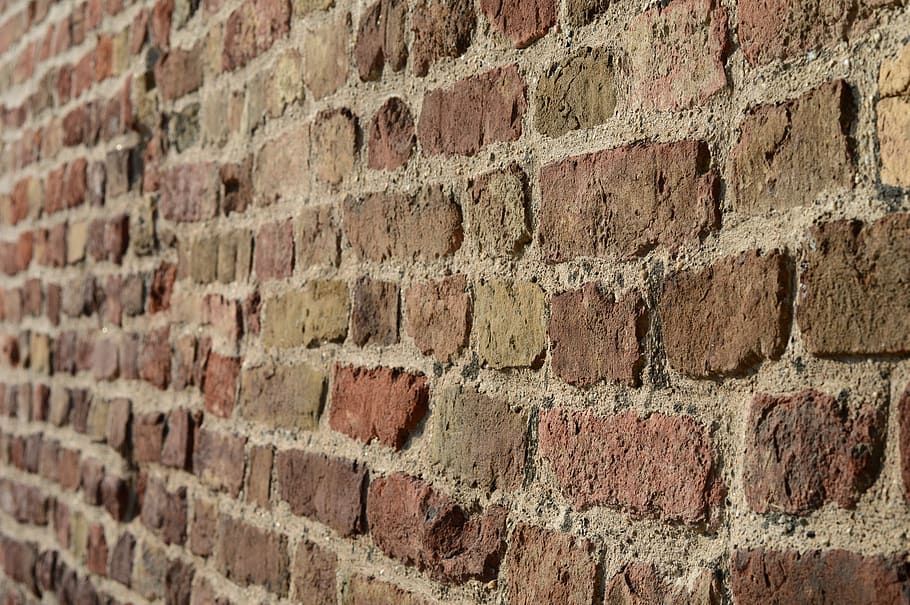
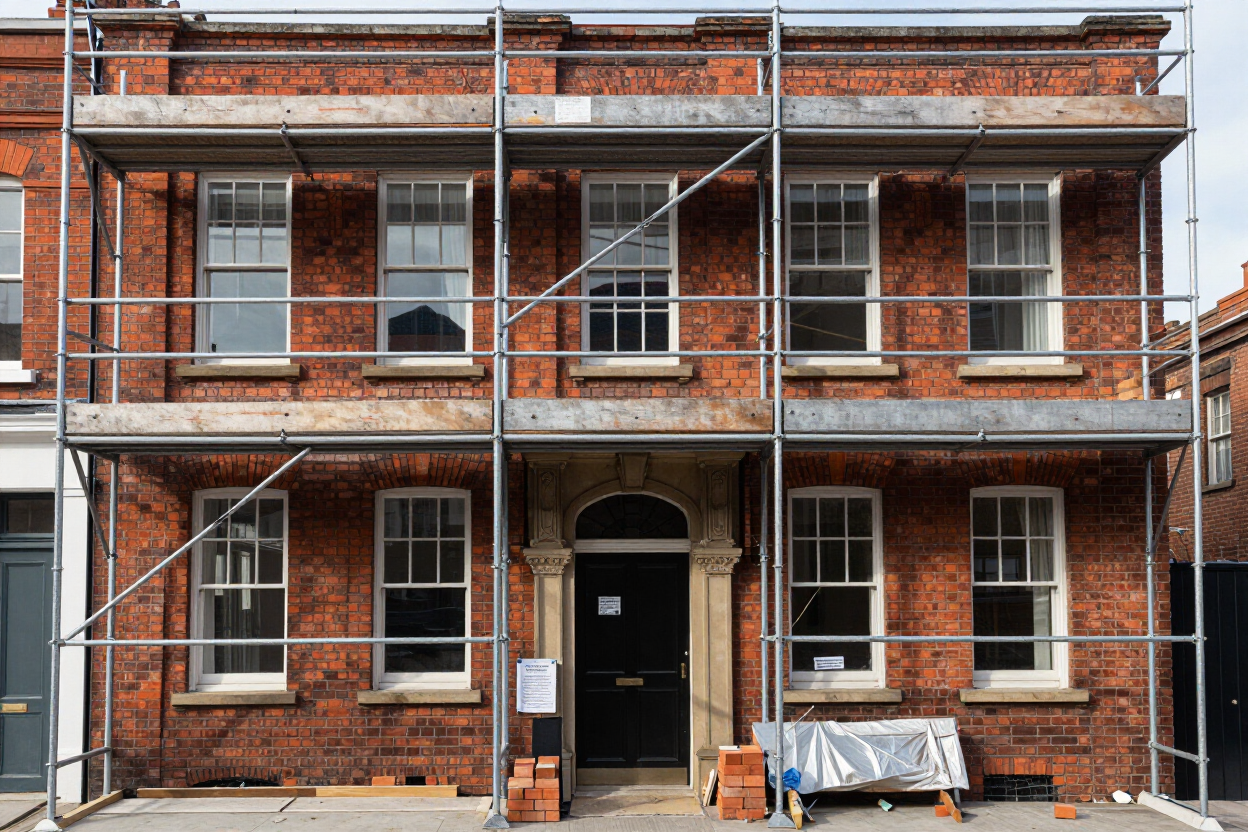
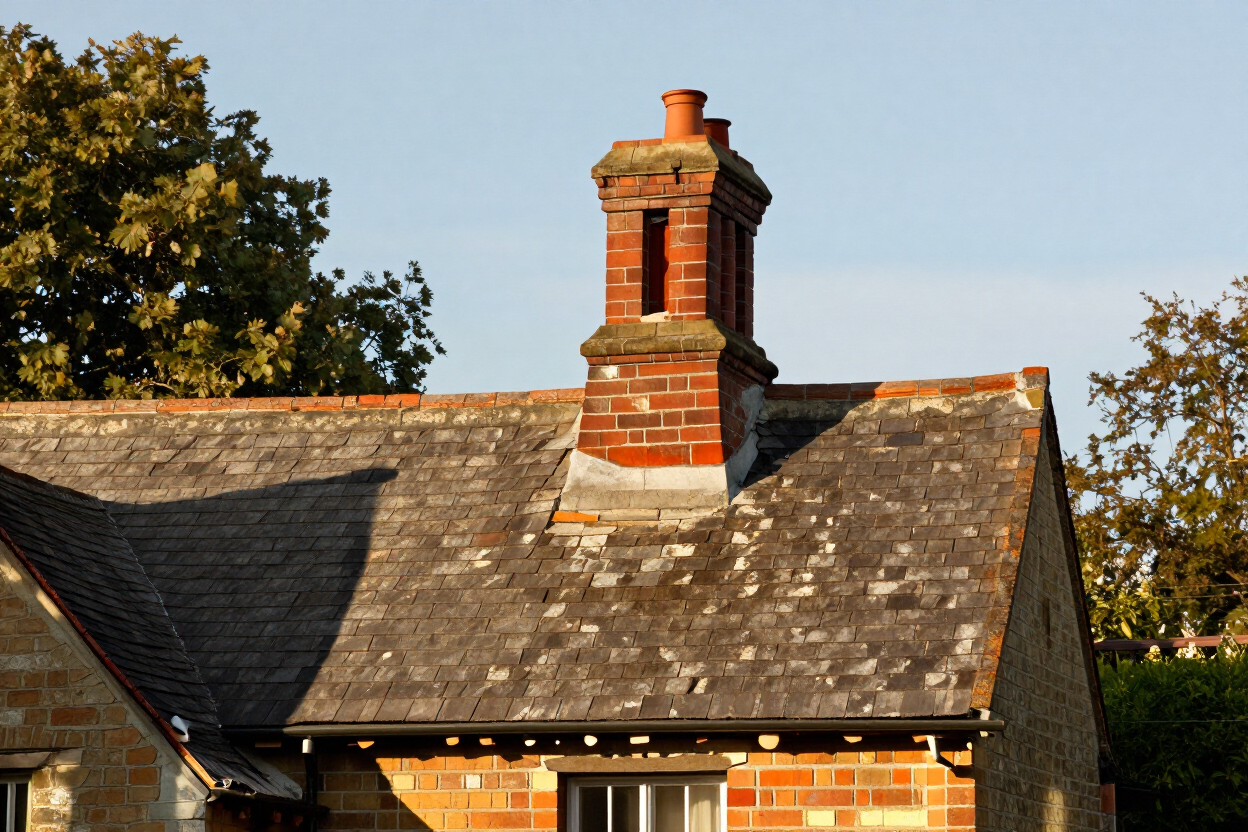
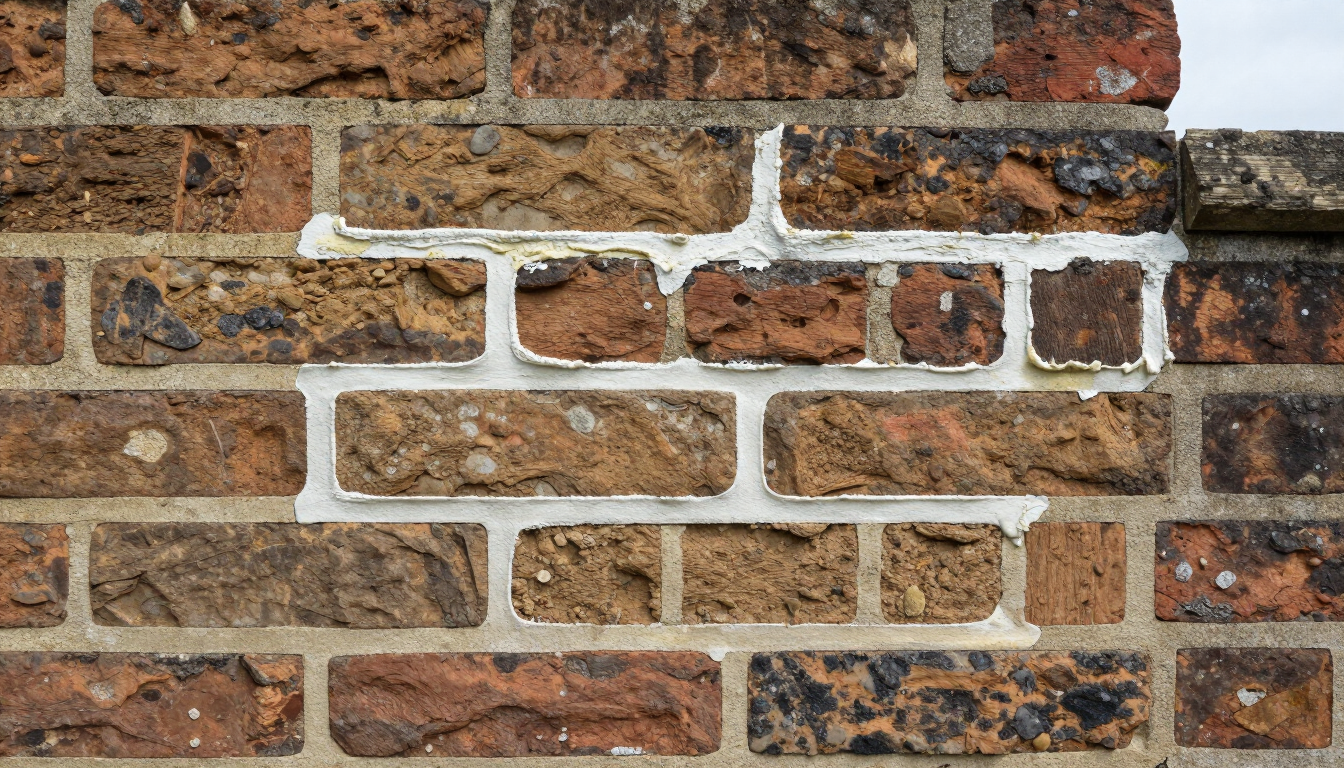
When it comes to period building restoration, lime pointing is an essential aspect that should not be overlooked. This traditional method of repairing and maintaining masonry has been used for centuries and is still widely practised today. Lime pointing involves the application of a lime-based mortar to the joints between the bricks or stones of a building. This method is crucial in the preservation of the beauty and integrity of listed or period properties.
The main benefits of lime pointing
One of the main benefits of lime pointing is its ability to allow the building to "breathe." Unlike modern cement-based mortars, lime mortar is breathable and allows water vapour to evaporate, preventing dampness from accumulating in the walls. This feature is particularly important in listed or period properties, where the use of modern materials can damage the original masonry and alter the building's character.
Another benefit of lime pointing is to enhance the aesthetic appeal of a building. Lime mortar can be customised to match the original colour and texture of the building's masonry, allowing it to blend seamlessly with the existing structure. This feature is particularly important in listed or period properties, where preserving the building's original character is crucial.
In addition to it’s aesthetic and functional benefits, lime pointing is also an environmentally friendly option. Lime mortar is made from natural materials and has a lower carbon footprint than cement-based mortars, making it a more sustainable choice for period building restoration.
Choosing the right type of lime mortar is important
It is essential to select the right type of lime mortar when carrying out lime pointing. There are various types of lime mortar, and each has specific properties that make it suitable for different types of buildings and weather conditions. For example, hydraulic lime mortar is ideal for buildings in areas with high rainfall, as it hardens quickly and is less prone to erosion.
Skilled craftsmen should be used
Lime pointing is a specialised skill that requires experience and expertise to carry out effectively. It is essential to select a builder who has a deep understanding of period properties and the techniques required to restore and maintain them. At Point Builders Ltd, we have extensive experience in the restoration and modernisation of listed and period properties, and our team comprises skilled craftsmen who are adept at carrying out lime pointing and other traditional building techniques.
At Point Builders Ltd, we are committed to using eco-friendly materials and techniques in our restoration projects. We believe that it is crucial to preserve the beauty and integrity of listed and period properties while also reducing our impact on the environment.
Conclusion
Lime pointing is a traditional and effective method for restoring and maintaining period buildings. It is essential to choose the right type of lime mortar and select a builder with the necessary experience and expertise to carry out the work effectively. At Point Builders Ltd, our commitment is to retain the original character and structural stability of period and listed buildings through our exceptional craftsmanship and outstanding customer service. Get in touch with us today to discover more about our services.