Planning a full house refurbishment or a new extensions in the South of England can feel like juggling budgets, drawings, approvals, and changing priorities. Costs vary significantly depending on the property's condition, specification, and location, while early design decisions can have a major impact on the final price.
This guide provides realistic budgeting guidance for 2026, highlights the biggest cost drivers, and explains where investing wisely can add long-term value. It also outlines Point Builders ’ staged approach to refurbishment and extension projects, helping homeowners sequence work efficiently, protect period features, and minimise avoidable delays.
Whether you own a Victorian terrace in St Albans, a 1930s semi-detached home in Hertfordshire, or a character cottage on the Dorset coast, the same principles generally apply: prioritise structural integrity and building services first, make thoughtful open-plan layout improvements, and finish with quality materials appropriate to the age and style of the property.
What drives the cost of a full refurbishment?
Several major elements typically determine the overall budget.
Structural works and building envelope
This may include:
- Foundations and structural repairs
- Roof repairs or replacement
- Steelwork and lintels
- Damp remediation
- Masonry repairs
- External wall improvements
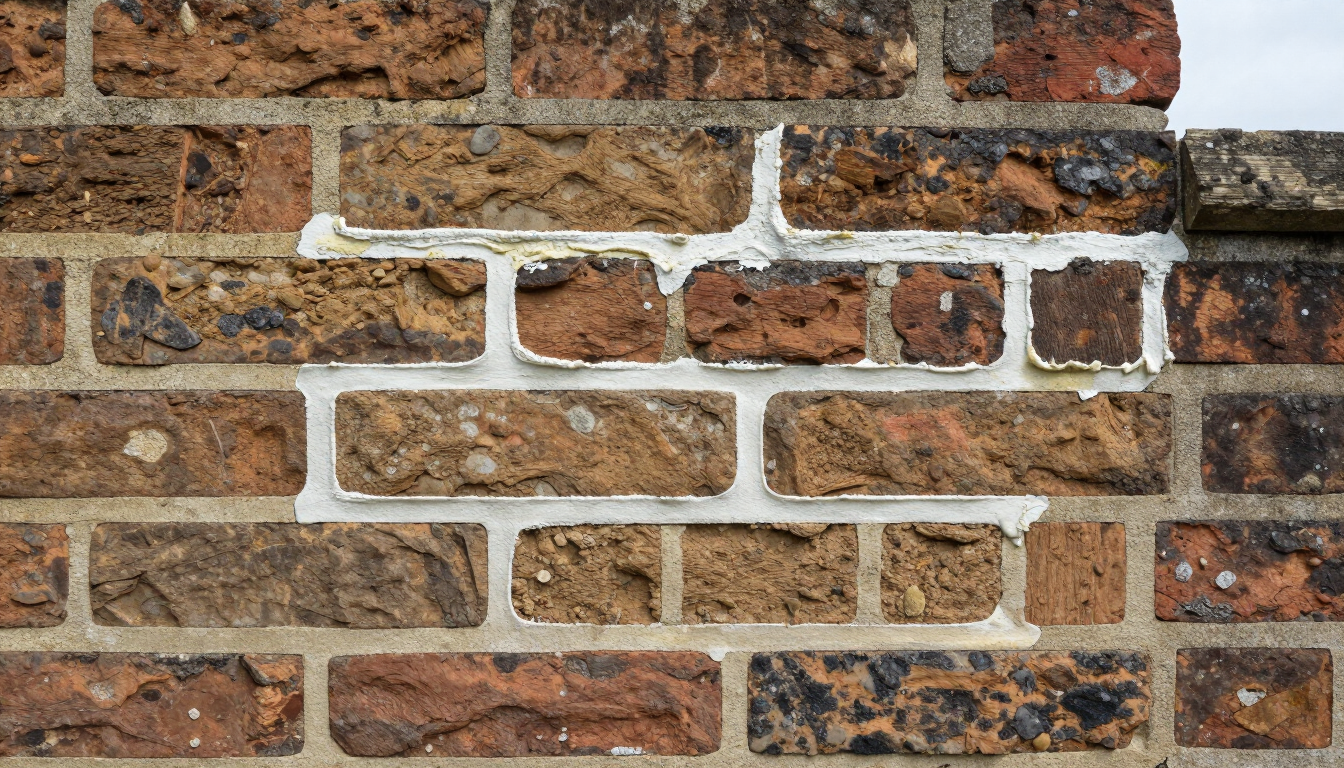
For older or heritage properties, specialist techniques such as lime mortar repointing, timber conservation, and traditional plaster repairs may increase costs but help preserve the building's long-term performance and character.
Keeping the building weather-tight is often the first priority, as water ingress can quickly undermine subsequent improvements.
Mechanical and electrical upgrades
Modernising services frequently includes:
- Full rewiring and new consumer units
- Lighting and data cabling
- Plumbing replacement
- Heating upgrades
- Hot water systems
- Ventilation improvements
- Smoke and safety systems
Because these systems often affect every room in the house, they commonly represent one of the largest components of a comprehensive refurbishment budget.
Kitchens and bathrooms
High-quality kitchens and bathrooms involve significant investment due to cabinetry, appliances, plumbing, waterproofing, tiling, and specialist trades. Specification choices can substantially influence final costs.
Finishes and joinery
Decoration, plastering, flooring, internal doors, mouldings, skirting boards, and bespoke carpentry complete the project. In period homes, compatible breathable materials can reduce future maintenance issues associated with trapped moisture.
Realistic 2026 refurbishment budgets
Typical costs across the South of England vary considerably depending on property condition and specification. As broad planning estimates:
Light modernisation (£40,000–£70,000)
Suitable for smaller homes requiring:
- Safety upgrades
- Partial rewiring
- Limited plumbing work
- One bathroom refresh
- Plaster repairs
- Decoration
Mid-range whole-house refurbishment (£80,000–£150,000)
Often includes:
- Complete rewiring
- Plumbing upgrades
- Heating improvements
- New kitchen
- One or two bathrooms
- Flooring throughout
- Decorating
Comprehensive refurbishment (£150,000–£300,000+)
May involve:
- Major structural alterations
- Steel installation
- Roof works
- Window replacement
- Multiple bathrooms
- High-specification kitchen
- Bespoke joinery
- Conservation-sensitive restoration
For many family homes requiring a full modern update, budgets frequently fall between £100,000 and £200,000, although listed buildings and heavily deteriorated properties may require substantially greater investment.
Which elements deserve priority?
When allocating your budget, focus first on items that protect the building and reduce future disruption.
Recommended priorities include:
- Structural stability and weatherproofing
- Roofs and drainage
- Electrical safety
- Plumbing infrastructure
- Heating and ventilation
- Kitchens and bathrooms
- Appropriate materials for older buildings
Investing in these areas early often prevents more expensive remedial work later.
What can reduce a property's value?
Poorly executed renovation work may negatively affect resale value, including:
- Extensions with awkward layouts or poor natural light
- Inadequate waterproofing or ventilation leading to damp issues
- Unsympathetic removal of original architectural features
- Low-quality structural alterations
- Incomplete or non-compliant electrical and plumbing work
Thoughtful design and professional execution generally provide stronger long-term returns.
Extension costs in 2026
Extension pricing varies depending on access, specification, structural complexity, glazing, and local conditions.
As broad planning guidance:
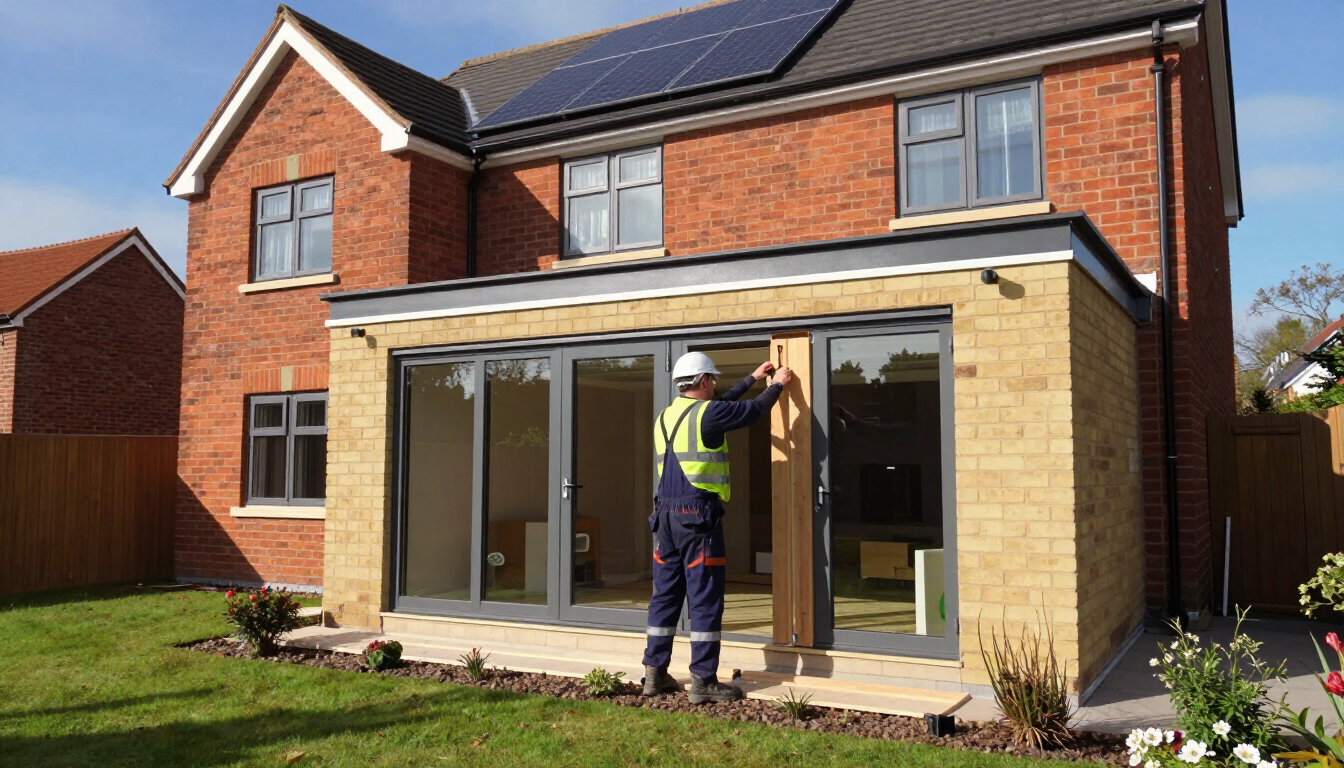
- Single-storey rear extensions: approximately £2,500–£3,500 per square metre or more.
- Two-storey extensions: approximately £3,000–£4,000 per square metre or more.
Higher-end finishes, extensive glazing, complex ground conditions, or bespoke structural solutions can increase costs beyond these ranges.
Is it cheaper to extend out or build up?
Ground-floor extensions are often simpler to construct and may offer lower costs per square metre.
Adding a second storey can sometimes improve cost efficiency by spreading foundation and roof costs across additional space, but structural strengthening, planning considerations, scaffolding, and roof integration can add complexity.
The most suitable option depends on the existing building and your design goals.
Is £20k or £30k enough for an extension?
For most habitable extensions in 2026, budgets of £20,000 to £30,000 are unlikely to cover foundations, structure, insulation, glazing, services, finishes, and professional fees.
Such budgets may be suitable for very small ancillary structures or limited preparatory works, but many modest single-storey rear extensions now exceed £60,000 depending on specification and location.
How much does a typical 3-metre extension cost?
A rear extension projecting approximately 3 metres across a typical family home may start around £60,000–£90,000 with standard finishes, although premium glazing, rooflights, bespoke kitchens, or significant internal remodelling can increase costs further.
If you are comparing alternative ways to add space, loft conversions may also be worth exploring depending on your property's structure and planning constraints.
Budget scenarios
These examples illustrate possible allocations rather than quotations.
£20,000
- Electrical safety improvements
- Targeted plumbing upgrades
- Local plaster repairs
- Decorating
- Minor joinery
£30,000
- Bathroom refurbishment
- Utility room improvements
- Heating upgrades
- Early preparatory works for future extensions
£40,000
- Rewiring a smaller property
- Bathroom renewal
- Flooring replacement
- Decoration
£50,000
- Complete kitchen installation
- Partial M&E upgrades
- Bathroom improvements
- Smaller extension shell works prior to future fit-out
For comprehensive whole-house transformations, these budgets often form individual phases within a longer-term refurbishment strategy.
Point Builders' staged approach
Successful projects typically follow a logical sequence:
Investigation and design
Assess structure, moisture, services, and roof condition while finalising layouts and technical requirements.
Planning and preparation
Allow realistic lead times for materials and specialist products while reducing unknowns through early investigations.
Structural works
Complete foundations, steelwork, drainage, roofing, and external envelope improvements before internal finishes begin.
First-fix services
Install electrical wiring, plumbing, heating systems, and ventilation infrastructure.
Plastering and joinery
Complete walls, ceilings, doors, skirting boards, and architectural detailing.
Final finishes
Install kitchens, bathrooms, flooring, decorations, and complete testing and commissioning.
Following this sequence often reduces disruption and helps projects progress more smoothly.
Tips for avoiding delays
- Finalise layouts before construction starts.
- Order long-lead materials early.
- Confirm electrical and plumbing layouts before plastering.
- Schedule inspections proactively.
- Allow extra time for listed building consents or conservation approvals where required.
Frequently Asked Questions
How much is a full refurbishment on a house?
For many homes in the South of England, full refurbishments commonly range between £100,000 and £200,000, although actual costs vary depending on condition, size, specification, and location.
How much should I budget for a full house renovation?
As a broad planning guide, many projects fall between approximately £1,200 and £2,000 or more per square metre, with heritage properties and premium specifications often exceeding this range.
What is the most expensive part of a house renovation?
Mechanical and electrical upgrades, kitchens, bathrooms, and structural alterations frequently account for a significant share of refurbishment budgets.
What devalues a house the most?
Poor workmanship, damp caused by inadequate detailing, badly designed extensions, and inappropriate removal of original features can all reduce value.
How much should a house extension cost?
Many extensions currently fall within approximately £2,500–£4,000 per square metre or more, depending on complexity and specification.
Is it cheaper to extend or build up?
Ground-floor extensions are often less complex, while two-storey additions may improve overall efficiency in some situations.
Is £30k enough for an extension?
For most habitable extensions in 2026, £30,000 is unlikely to be sufficient for a complete project.
Can I build an extension for £20k?
Budgets at this level generally only cover very small additions or limited preparatory works rather than a fully finished habitable extension.
Summary
A successful refurbishment or extension starts with protecting the structure, modernising services, and planning carefully before finishes begin. Prioritising roofs, drainage, electrics, plumbing, and thoughtful layouts often delivers the strongest long-term value while reducing future maintenance costs.
If you are considering a refurbishment or extension in Hertfordshire, Dorset, or elsewhere in the South of England, Contact Point Builders today. We can help you develop a phased plan tailored to your property, priorities, and budget.