The mortar between your bricks may seem like a minor detail, but it plays a critical role in the health and longevity of your home. For owners of period properties, cottages, listed buildings, and traditional masonry homes, choosing the wrong type of mortar can lead to expensive repairs and irreversible damage.
Unfortunately, many older properties in the UK have been repaired using modern cement mortar when Lime Repointing would have been the correct solution. While cement may appear stronger and more durable, it often creates serious problems in traditional buildings.
Understanding the difference between lime and cement repointing can help homeowners protect their properties and avoid costly mistakes.
In this guide, we'll explain why lime mortar has been used for centuries, how cement can damage older buildings, and why professional heritage restoration remains the preferred choice for historic properties.
What Is Lime Repointing?
Lime repointing is the process of removing deteriorated mortar joints and replacing them with a new lime-based mortar. Unlike modern cement, lime mortar is flexible, breathable, and softer than traditional brick and stone, allowing it to accommodate natural building movement while remaining highly effective at managing moisture.
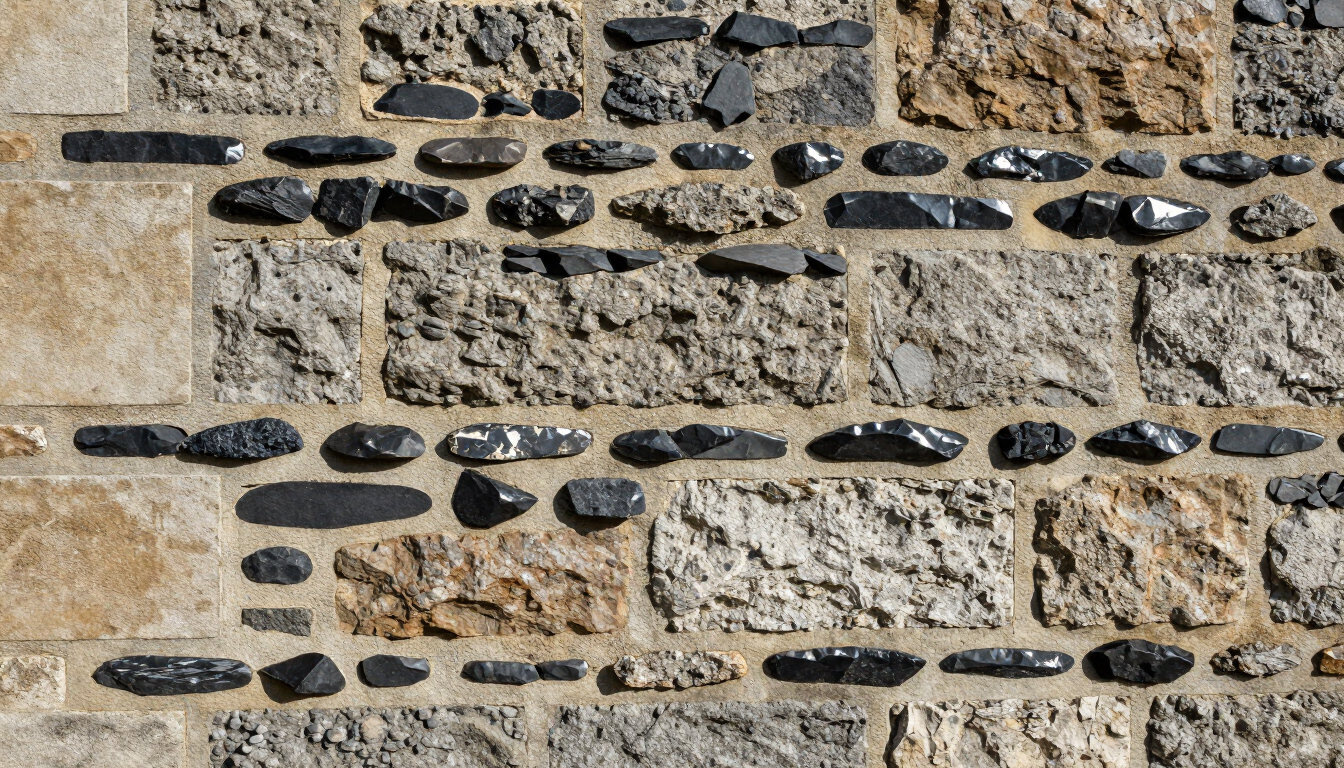
For centuries, lime mortar was the standard material used in British construction, particularly in Victorian homes, Georgian properties, listed buildings, stone cottages, historic churches, and stone masonry and flint walls.
Many of these buildings still stand today because lime mortar allowed them to age naturally.
What Is Cement Repointing?
Cement repointing uses modern Portland cement mortar to fill mortar joints.
Cement became widely used during the twentieth century due to its fast setting times, high compressive strength, lower maintenance requirements, and general availability and affordability.
While cement works well for modern construction, it is often unsuitable for older buildings that were originally designed to work with lime mortar.
This mismatch between materials is one of the most common causes of deterioration in historic properties.
Why Older Buildings Need to Breathe
One of the biggest differences between lime and cement is breathability. Older homes were built using materials that naturally absorb and release moisture, and lime mortar allows water vapour to escape through the walls. This natural process helps prevent damp problems, condensation, trapped moisture, and structural decay.
Cement mortar, however, creates a rigid and impermeable barrier. When moisture becomes trapped inside traditional masonry, it can lead to severe long-term damage.
When moisture becomes trapped inside traditional masonry, it can lead to severe long-term damage.
The Problems Caused by Cement Repointing
Many homeowners are surprised to learn that cement can actually shorten the lifespan of traditional brickwork.
Cracked Bricks and Stone
Cement is harder than many historic building materials. When buildings move naturally over time, the mortar should absorb this movement, but rigid cement transfers the stress to the bricks themselves, causing cracking, spalling, fractures, and surface damage.
In many cases, replacing damaged bricks becomes significantly more expensive than undertaking proper Lime Repointing.
Damp and Moisture Issues
Traditional buildings need to release moisture naturally, but cement traps water within the wall structure, leading to damp patches, internal mould growth, salt deposits, and frost damage.
Over time, trapped moisture can weaken the building fabric and accelerate deterioration.
Freeze-Thaw Damage
During winter, trapped water freezes and expands. This repeated freeze-thaw cycle can cause brick faces to break apart, stone to crack, and mortar joints to fail.
This type of damage is particularly common in exposed areas of the UK.
Why Lime Repointing Protects Your Property
Lime mortar works differently; instead of resisting moisture and movement, it accommodates them. This allows walls to breathe by encouraging moisture to evaporate naturally, which helps keep walls dry and healthy.
It Protects Masonry
Lime is intentionally softer than brick and stone. If deterioration occurs, the mortar sacrifices itself rather than damaging the surrounding materials.
It Accommodates Movement
Older properties naturally expand and contract, and lime mortar's flexibility allows it to absorb this movement without causing cracking.
It Is Easier to Repair
Future maintenance is often simpler and less expensive because lime mortar can be repaired without damaging surrounding masonry.
Signs Your Property May Need Lime Repointing
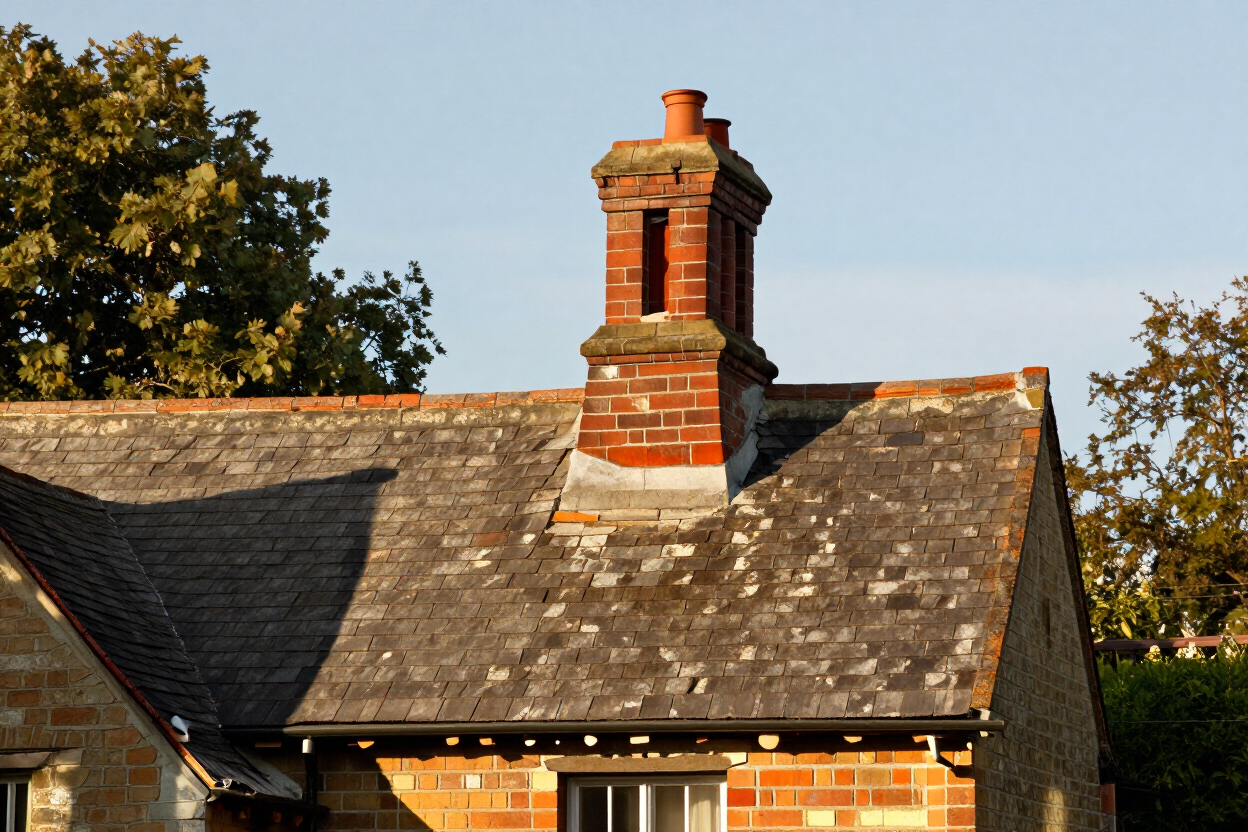
Many homeowners don't realise their property has been incorrectly repointed until problems become obvious. Common warning signs include crumbling brick faces, damp patches inside walls, hard grey cement joints, cracked masonry, loose mortar, white salt deposits, and frost damage.
If your property was built before approximately 1919, there is a strong possibility that it originally used lime mortar.
How Lime Repointing Is Carried Out
Professional lime repointing requires specialist knowledge and traditional skills.
Step 1: Assessing the Building
A specialist first identifies the original mortar type, existing damage, moisture issues, and previous repairs.
Step 2: Removing Damaged Mortar
Old mortar is carefully removed by hand to avoid damaging surrounding bricks and stone.
Step 3: Matching the Correct Lime Mortar
Different buildings require different lime mixes depending on their exposure to weather, the type of masonry, and the age of the property.
Step 4: Applying New Mortar
The new lime mortar is carefully applied and finished using traditional techniques.
Proper curing is essential because lime mortar sets much more slowly than cement.
Why Lime Repointing Is Essential for Listed Buildings
If you own a listed building or live in a conservation area, using inappropriate materials may have serious consequences. Many conservation officers specifically require traditional materials, lime mortar repairs, and authentic restoration methods.
Using cement can negatively affect both the appearance and structural integrity of a historic property.
In some cases, unsuitable repairs may even require costly corrective work.
Lime Repointing and Energy Efficiency
Many homeowners are surprised to learn that breathable walls often contribute to a healthier and more energy-efficient home. Dry walls generally retain heat more effectively, reduce mould growth, improve indoor air quality, and lower maintenance costs.
By managing moisture correctly, lime repointing can help improve overall building performance.
Why Hiring a Specialist Matters
Lime repointing is a specialist skill that differs significantly from modern brickwork techniques.
Choosing an experienced contractor ensures correct mortar selection, appropriate repair methods, protection of original materials, and long-lasting results.
Poor workmanship or the wrong mortar mix can create more problems than it solves.
For historic buildings especially, experience and traditional craftsmanship are essential.
Lime Repointing vs. Cement Repointing: A Quick Comparison
| Feature | Lime Mortar | Cement Mortar |
|---|---|---|
| Breathable | Yes | No |
| Flexible | Yes | No |
| Suitable for Historic Buildings | Yes | Usually No |
| Allows Moisture to Escape | Yes | No |
| Protects Brickwork | Yes | Often No |
| Easy to Repair | Yes | More Difficult |
Conclusion
The choice between lime and cement repointing is about far more than appearance. For older and traditional properties, using the wrong mortar can trap moisture, damage brickwork, and lead to expensive repairs.
Lime repointing has protected British buildings for centuries because it works in harmony with traditional construction methods. Its flexibility, breathability, and sacrificial nature make it the ideal choice for period homes, listed buildings, and heritage properties.
If your property is showing signs of deteriorating mortar or previous cement repairs, seeking professional advice now can prevent significant problems in the future.
A specialist lime repointing contractor can help preserve your home's character, protect its structural integrity, and ensure it continues to stand strong for generations to come.
Why Choose Point Builders?
When it comes to specialized property work, hiring experts like Point Builders makes a significant difference. Whether you are looking for professional heritage restoration to protect your historic property, or you need expert lime mortar plastering services, our team delivers results that last. We specialize in everything from complex stone masonry and flint walls to complete home refurbishment. If you are looking to expand your space, we can also help you create the perfect garden room or transform your interior with an open plan living design. Trust Point Builders to maintain your home's integrity and value.