Late-Summer Roof And Chimney Care For Period Properties: Prevent Leaks Before Autumn
Late summer is the sweet spot for getting roofs and chimneys on period homes ready for the wetter months. The weather is usually settled, materials cure well, and access is safer and quicker. A few timely checks now can prevent leaks, stained ceilings, timber decay, and costly scaffolds later.
If you own a slate or clay tile roof, or a brick chimney with historic lime joints, this guide covers what to look for after heatwaves, where leaks typically start, when to book repairs, the right mortar for chimneys, and how to choose a reputable roofer.
Point Builders Ltd has restored and maintained heritage roofs and stacks across Hertfordshire, St Albans, Bournemouth, Christchurch, and the wider South for over 40 years.
The Best Time For Roof Repairs
Late summer into early autumn is often best, since you benefit from drier, longer days that help roof coverings and leadwork bed in properly, good curing conditions for lime-based pointing on stacks, and easier access with shorter lead times before contractors become weather-bound.
Avoid mid-winter unless it is an emergency, and be cautious with very hot spells too, when bituminous products can soften and lime mortars can dry too fast to cure properly.
Full roof replacements are typically best planned for spring through early autumn, with designs, method statements, and any conservation consents arranged well in advance.
Common Leak Points On Slate And Clay Tile Roofs
Period roofs have predictable weak spots worth focusing your inspection on. Slipped, broken, or delaminating slates and tiles, especially after heatwaves, are the most obvious sign, alongside nail fatigue on older slate battening, with slipped courses or loose fixings.
Flashings and soakers at abutments, chimneys, and dormers are another common failure point, where failed lead or inadequate upstands let water track inside the building.
Valleys and intersections where moss, silt, and leaf build-up hold moisture against laps deserve attention too, as do ridge and hip details, where mortar caps crack and let in wind-driven rain. Eaves and gutters, where overflowing water backfeeds under the first course, round out the usual suspects.
Clay tiles often suffer from cracked nibs and weathered overlaps, while slates can develop cracks or lifted fixings, and in both cases, small defects compound quickly once autumn rains start in earnest.
Lime Versus Cement On Chimneys
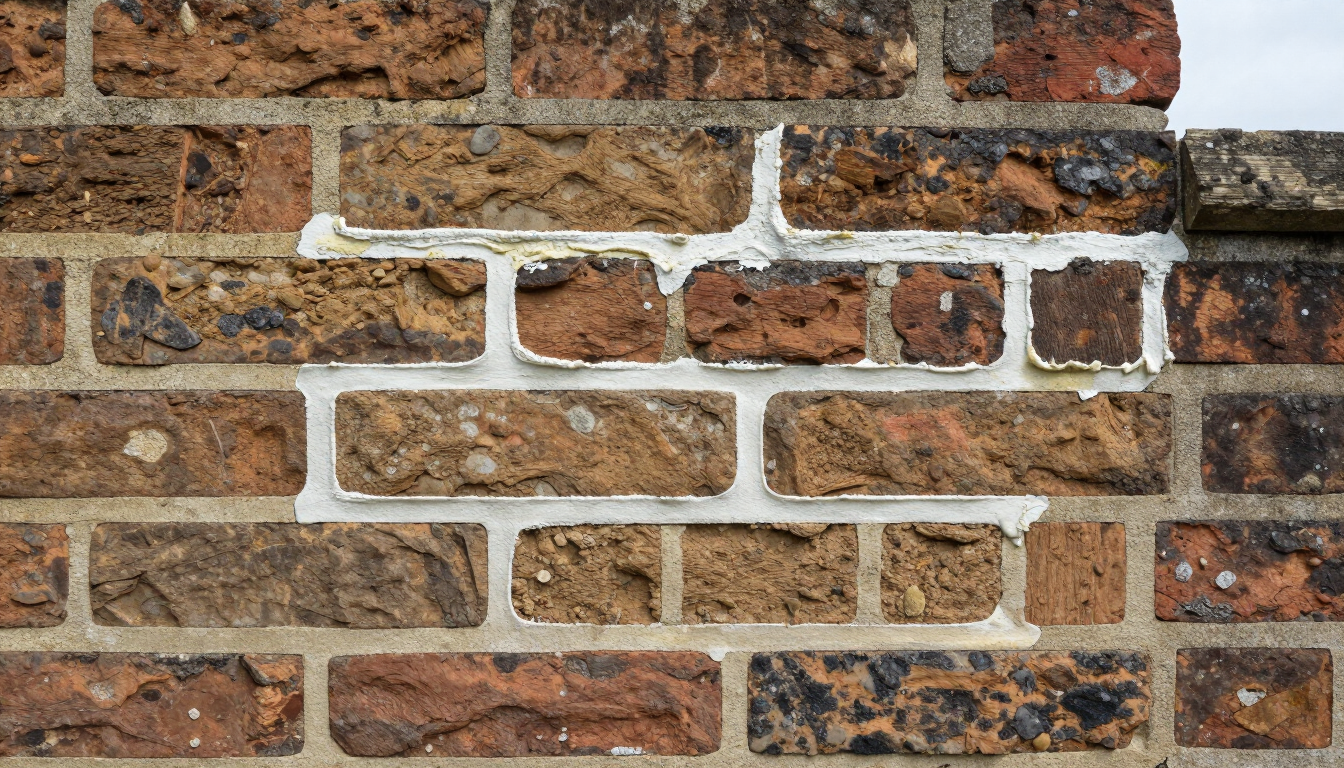
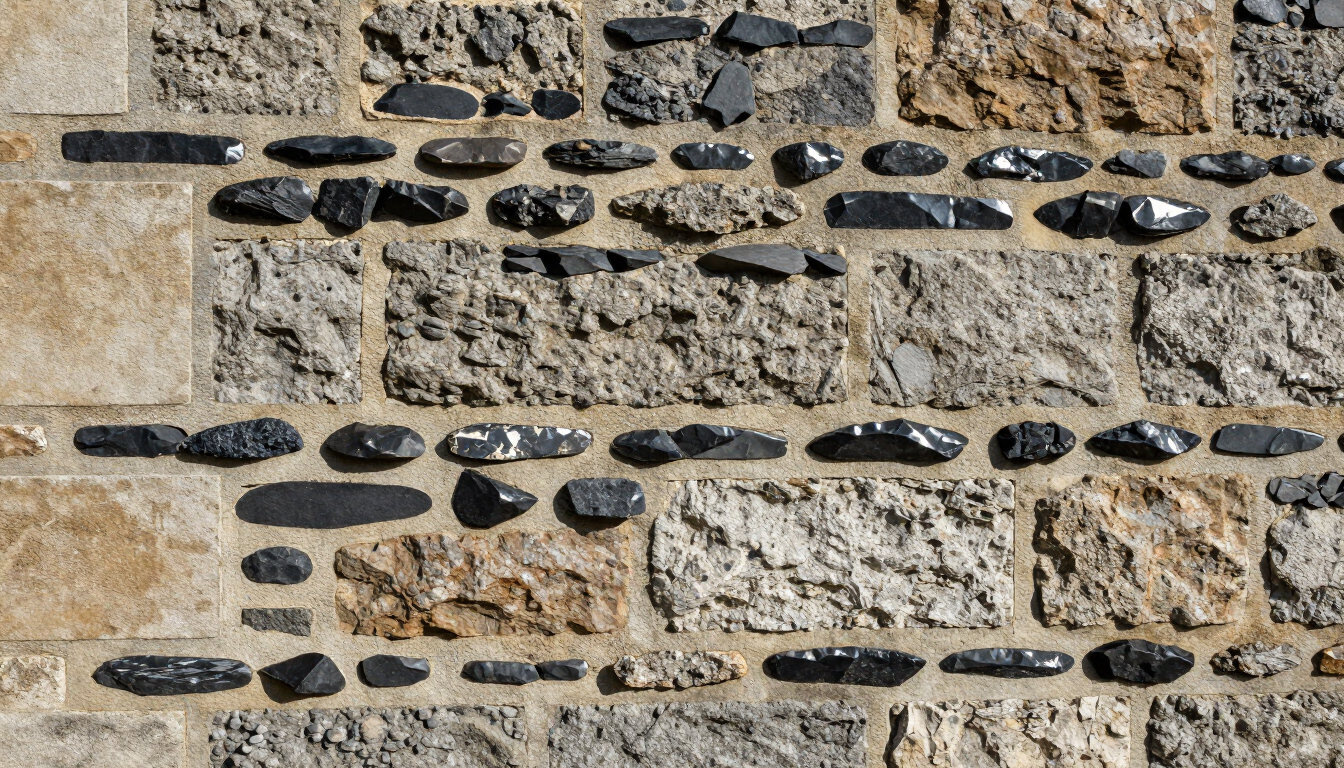
Historic brick and flint stacks were built to breathe and move slightly with temperature and moisture. Lime mortar supports that behaviour by allowing moisture to evaporate, reducing frost damage and salt spalling, flexing gently with thermal movement to protect brick arrises, and enabling future maintenance without heavy chiselling.
Cement-rich mortars are typically too hard and impermeable for old stacks, and they can trap moisture, accelerate brick face loss, and create hairline cracks that admit water instead of shedding it. For most period chimneys, choose lime re-pointing with a compatible mix and appropriate joint profile, and where previous cement exists, careful removal and re-pointing in lime is usually the longest-lasting repair.
Point Builders undertakes specialist lime re-pointing to stabilise stacks while maintaining breathability, and can advise on mix design and curing.
Typical UK Repair Costs
Costs vary by access, height, conservation constraints, and scope, but as a planning guide, minor slate or clay tile repairs often run £150 to £450 when safely accessible, while localised flashing renewal at a chimney or abutment commonly costs £450 to £1,200 depending on leadwork complexity and scaffold needs. Valley renewal in lead or GRP where appropriate often runs £800 to £1,800, and lime re-pointing to a typical chimney stack frequently costs £600 to £1,800 for localised work, with full rebuilds costing more.
A full roof replacement on a period property can run to five figures, with labour and access, including scaffolding and careful detailing, typically the most expensive part, followed by quality leadwork and matching materials. Every property is different, so treat these as indicative ranges, and we offer free, no-obligation quotes with the option to prioritise essential weathering work first.
Insurance Considerations In The UK
Home insurance may cover sudden, unforeseen damage, such as storm events that dislodge tiles, but wear and tear or lack of maintenance is usually excluded. If you suspect storm damage, photograph issues promptly and prevent further ingress, check your policy wording and contact your insurer before instructing major works, and keep invoices and reports from qualified contractors throughout the process.
Chimney and roof deterioration that builds up over years is commonly classed as maintenance and is not covered by most policies.
Warning Signs After Heatwaves
High temperatures can stress roofs and stacks in ways that are easy to miss. Look for slipped or cupped tiles, popped slate nails, and widened gaps at laps, along with hairline cracks in ridge mortar or at chimney shoulders.
Lead flashing splits at corners, or where thermal movement has been significant, are another sign, as are powdery or recessed chimney joints, new staining, or sulphate blooms. Gutter distortion or dried-out seals that now leak under the first heavy rain round out the list. Catch these now while the weather still allows a tidy fix.
When Not To Put On A New Roof
Avoid extreme heat or heavy rain, which compromise material performance and safety, and freezing conditions that prevent proper curing of mortar and cause brittle handling of slates and tiles.
It is also worth avoiding rushing into replacement without assessing whether sensitive repairs could preserve historic fabric instead, since a thorough inspection may show that targeted repairs and correct detailing will extend life for many years to come.
How To Choose A Reputable Roofer For Period Homes
Look for proven experience with heritage roofs, lime mortars, and leadwork details, alongside memberships such as the Federation of Master Builders and TrustMark. Clear, itemised quotations that define scope, materials, access, and waste matter considerably, as do references and photographed case studies of similar roofs and stacks.
Sensible sequencing, risk assessments, and conservation awareness round out what to look for, and it is worth being wary of pressure tactics, vague pricing, cash-only demands, and door-to-door approaches. Get at least two like-for-like quotes, and do not pay large sums upfront for small repairs. If you need trusted help in Hertfordshire or St Albans, explore our specialist support for roof repairs in St Albans with our heritage focus in mind.
Point Builders' Services
We repair and restore period roofs, renew leadwork, and carry out lime re-pointing on stacks with conservation-led methods. If roof issues connect to interior upgrades, our wider team can coordinate sympathetic refurbishments and listed-building care across Hertfordshire and Dorset, and homeowners planning space gains can also explore loft conversions in Hertfordshire with heritage-sensitive detailing.
To discuss your roof or chimney, contact Point Builders in St Albans or Dorset for a free, no-obligation quote.
FAQ
What is the best time of year for roof repair?
Late summer through early autumn, and also spring for larger projects, thanks to the stable, drier weather that helps materials cure and bed in properly during installation.
How much should roof repairs cost?
Minor repairs often run £150 to £450, local lead flashing £450 to £1,200, valleys £800 to £1,800, and lime re-pointing to stacks £600 to £1,800, though access and scope can change the figure considerably.
Is a leaking roof covered by insurance in the UK?
Sudden storm damage may be covered, but wear and tear or poor maintenance is typically excluded. Check your policy wording carefully and document any evidence of storm damage promptly.
What is the most expensive part of replacing a roof?
Usually labour and access, including scaffolding and careful detailing on period structures, followed by quality materials and leadwork that meet heritage and conservation standards.