Choosing the right team: carpenter, joiner or general builder?
Choosing the right person for your project can make the difference between a smooth, on-time finish and weeks of delay. Carpentry, joinery, and general building often overlap, but each trade brings different skills, pricing, and responsibilities.
If you are planning a refurbishment, extension, or heritage-sensitive work, understanding who does what will help you set a realistic budget and avoid cost creep.
At Point Builders Ltd, we deliver full refurbishments and extensions with in-house carpenters and bench joiners, plus dedicated project management. Below is a clear, UK-focused guide to help you decide when to call a site carpenter, when bespoke joinery is the answer, and when a principal contractor should take the lead.
Carpenter vs joiner vs general builder
The three roles overlap in people's minds more than they do in practice, and knowing the distinction saves real money on quotes:
- Site carpenter: works on site installing and building with timber. Typical tasks include structural timber, first fix and second fix carpentry, laying floors, fitting doors and skirting, building stud walls, roofing timbers, and kitchen fitting.
- Bench joiner: crafts precision timber elements off site in a workshop. Think windows and doorsets, sash repairs, bespoke staircases, cabinetry, alcove storage, and detailed mouldings that require fine tolerances and machinery.
- General builder or principal contractor: plans, coordinates, and delivers the whole project. They schedule every trade, manage design information, handle Building Control and compliance, order materials, and keep the programme and costs under control, often employing or coordinating carpenters and joiners as part of the team.
None is better in all cases. The right choice depends on scope, tolerances, sequencing, and whether your project needs multi trade coordination.
When to hire a carpenter
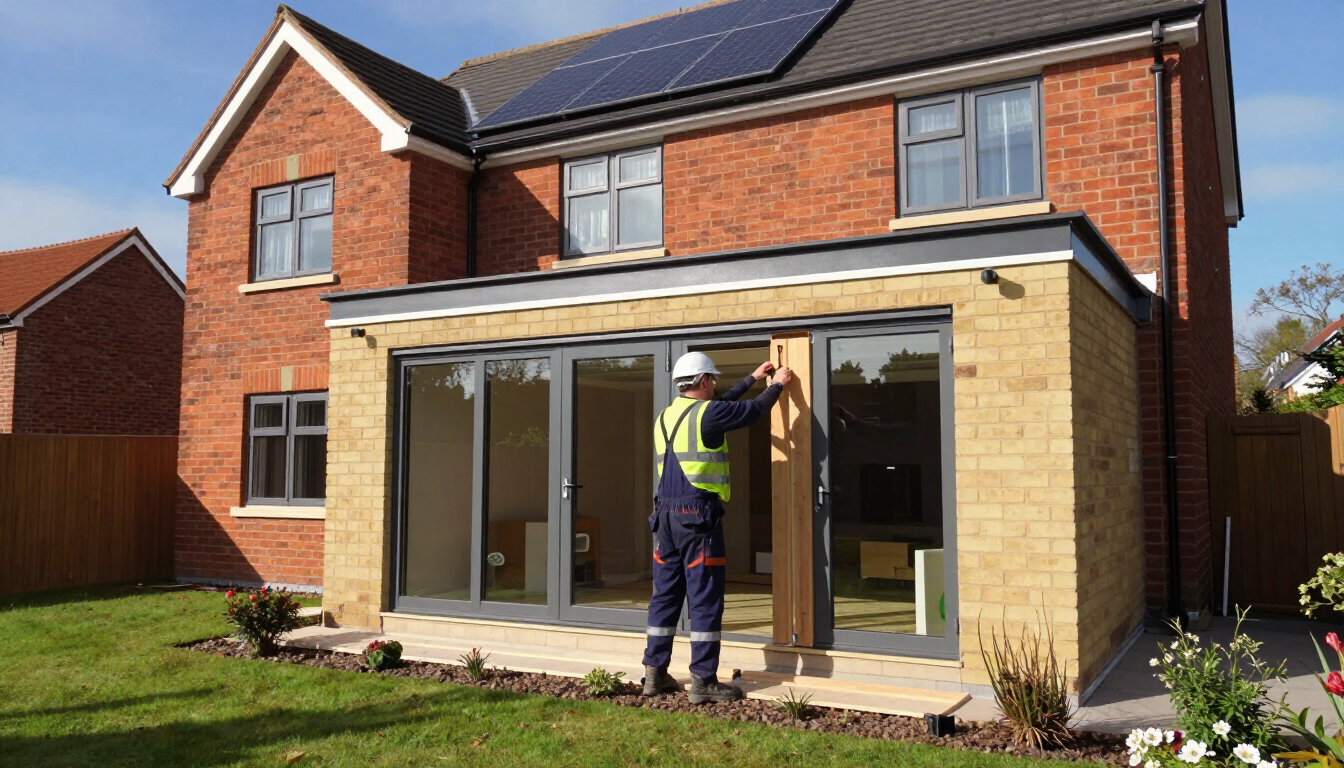
Call a site carpenter when you need timber work delivered on site as part of a live build. Common examples include first fix structure such as stud walls, joists, rafters, timber framing, and roof carcassing, second fix finishes like doors, architraves, skirting, flooring, and built-in shelving, and kitchen fitting and remedials that require scribing to imperfect walls and floors.
Unlike a workshop environment, a site carpenter must adapt directly to the realities of a physical build, adjusting materials to suit the unique structural conditions and variations of an active job site.
If you are in or around Hertfordshire and want a dependable local team, our bespoke carpentry page shows how we work within wider refurbishments and extensions across the region, delivering tailored structural and finish carpentry directly to your home.
When to commission a joiner
Choose a bench joiner when the item needs workshop-grade accuracy or heritage detailing. This suits bespoke windows and doorsets, including sash repairs and like-for-like replacements, staircases and balustrades with consistent geometry, and fine cabinetry and built-ins where grain matching and finish quality genuinely matter.
Good joinery is assembled and finished in the workshop, then installed on site by the same team or your builder. For period homes, joinery can also replicate original mouldings and profiles to protect character rather than compromising it with off-the-shelf alternatives.
When a general builder or principal contractor is essential
If your work involves multiple trades, structural alterations, or planning and Building Control, appointing a principal contractor is essential. They coordinate sequencing, protect the critical path, and avoid clashes such as joinery arriving before openings are ready, or carpenters waiting on electrics and plastering.
A successful project involves coordinating numerous trades and suppliers, often overseeing architects, structural engineers, building inspectors, electricians, plumbers, roofers, and decorators.
Having a single point of responsibility keeps communication clear and helps the programme and costs remain under control, preventing delays and unexpected costs from escalating.
On full refurbishments and extensions, Point Builders acts as principal contractor. Our in-house carpentry, bench joinery partners, and heritage crafts like lime plastering, timber framing, and flint work are scheduled under one managed programme, which keeps costs transparent and reduces delays.
Home extensions are complex projects that demand experience, planning, and specialist knowledge to integrate new construction with an existing structure, manage structural changes, address drainage concerns, upgrade utilities, and ensure compliance with building regulations.
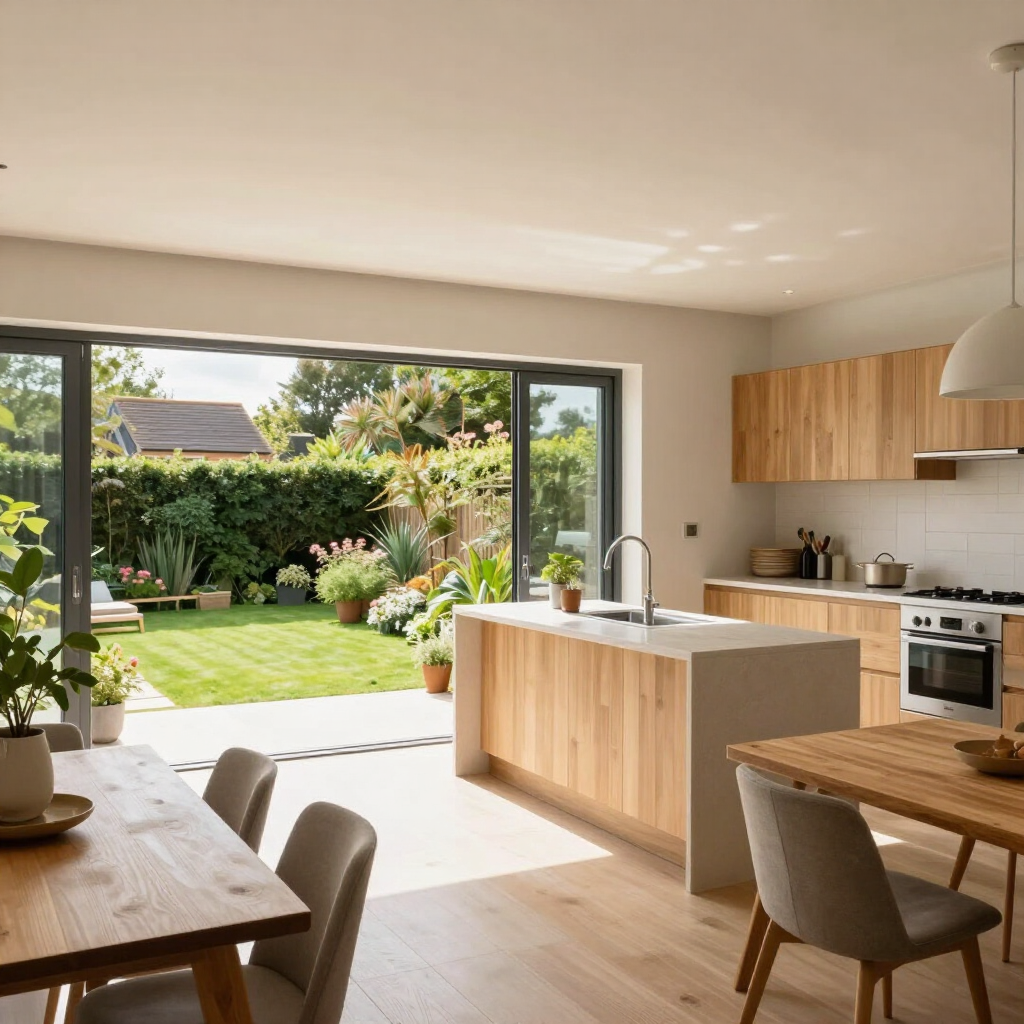
If you are looking to create more space at home, a professionally built extension can transform your property and add up to 20% to its value.
For homeowners in Hertfordshire, our loft conversion guide explains typical routes, costs, and planning considerations for using the roof void.
Typical UK rates in 2026
Rates vary by region, complexity, and whether you hire directly or via a contractor. The figures below are guidance, not quotes:
- Carpenter day rate: commonly £200 to £350 per day in much of the UK, with £280 to £380 per day typical for experienced, fully equipped carpenters in higher cost areas of the South East and London fringe.
- Carpenter hourly rate: typically £25 to £45 per hour, with £35 to £50 in higher cost areas for specialist or out of hours work.
- Joiner day rate: often £250 to £400 per day for on site fitting, plus separate workshop pricing for fabrication time, with complex heritage joinery and premium hardwoods increasing costs further.
- Workshop joinery: usually priced per item rather than by the hour, since material choices, ironmongery, glazing, and finishing make a big difference; expect small bespoke items from £500 upward, with windows, doorsets, and stair components running into the thousands depending on specification.
Note that rates exclude VAT and materials unless clearly stated, so always ask what is included before comparing quotes side by side.
Is a carpenter "better" than a joiner?
Neither is better across the board. A carpenter excels at site based construction and installation, while a joiner produces precision pieces in a workshop.
On many projects, you will genuinely need both. If you are unsure, a principal contractor can scope the work, assign the right trade, and coordinate timings so nothing sits idle waiting on the other.
How coordination prevents delays and cost creep
Good coordination saves money in ways that are easy to underestimate. Clear scope and drawings, including shop drawings for joinery, accurate dimensions, and approved details, prevent rework before it starts.
Programme and lead times matter too, since workshops need time for machining and finishing while site teams need openings ready for installation.
Sequencing keeps everything moving in the right order: first fix comes before plastering, joinery installation follows decoration prep where needed, and flooring is protected until final fix.
A single point of responsibility ties this all together, since one team can resolve site surprises quickly rather than trades blaming each other while the schedule slips.
Red flags when choosing trades or builders
A handful of warning signs are worth watching for before you commit to any trade or contractor:
- Vague quotes with missing materials, fixings, finishes, or disposal.
- No plan for permissions, Building Control, or listed building consent on heritage work.
- No references, no insurance, or resistance to simple contract terms.
- Unrealistic timescales that ignore lead times for joinery or specialist trades.
- Cash only requests or large upfront payments without staged milestones.
How Point Builders integrates joinery and timber framing
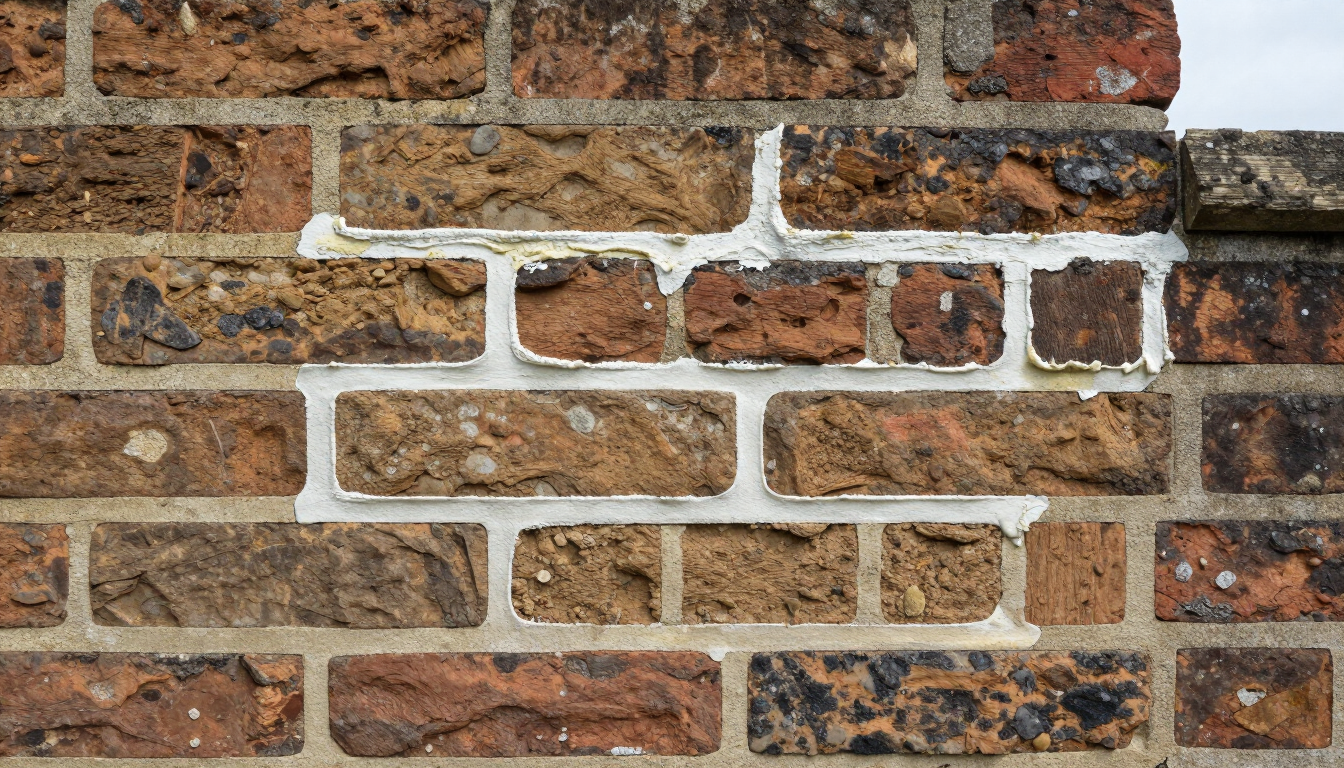
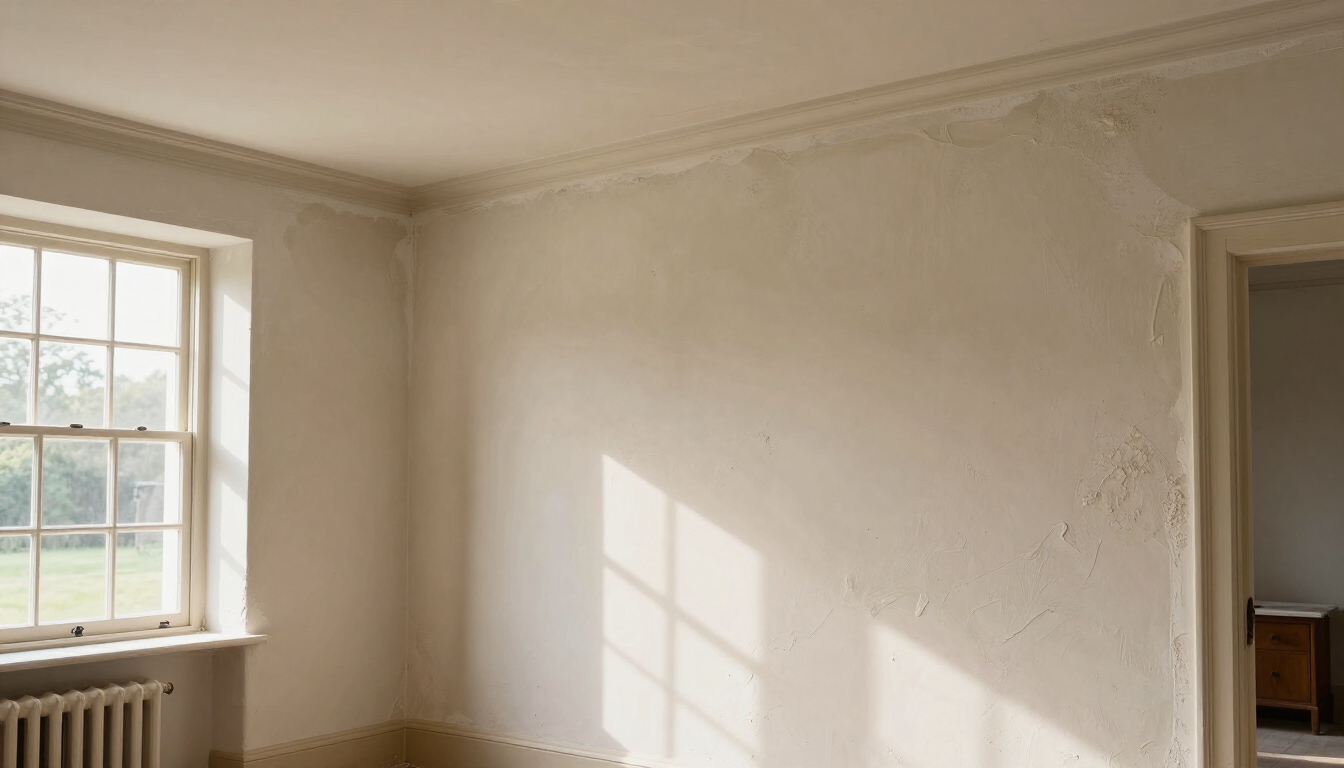
We combine bench joinery with on site carpentry and traditional timber framing inside a single, managed programme. Bespoke items are measured, detailed, and fabricated while structural carpentry progresses on site, and heritage skills like lime plastering and oak beam restoration are sequenced to protect breathability and original fabric rather than working against it. One team stays accountable for quality and finish, from first fix to final handover.
If you are planning an extension in St Albans or nearby, our construction company in Hertfordshire page covers how we approach that kind of project. For Dorset based work relying on structural timber, our Dorset property renovation page explains our approach in that region.
Quick FAQ
Which is better, a carpenter or a joiner?
Neither is universally better. Use a carpenter for on site structure and installation, and a joiner for workshop crafted items that need precision.
Is a carpenter better than a joiner?
No. They are complementary. Most refurbishments and extensions need both.
How much should I pay a carpenter per day in the UK?
As a guide, £200 to £350 per day in many areas, rising to £280 to £380 in higher cost regions.
How much would a carpenter cost overall?
Multiply the day or hourly rate by the estimated duration and add materials, fixings, finishes, and VAT, allowing for contingencies and protection.
How much do carpenters cost in the UK per hour?
Typically £25 to £45 per hour, or £35 to £50 in higher cost areas or for specialist work.
What is the going day rate for a joiner?
Commonly £250 to £400 per day for on site fitting, with separate workshop pricing for fabrication.
Summary
Choose a carpenter for site built structure and finishing, a joiner for workshop crafted precision, and a principal contractor when multiple trades must be coordinated under one programme. Clear scope, sensible sequencing, and one point of responsibility help you avoid delays and budget drift.
If you are planning a refurbishment, extension, or heritage sensitive project in Hertfordshire, St Albans, Bournemouth, or Dorset, Point Builders can manage the whole journey, from drawings and joinery through to final fix. Get in touch for a friendly, no obligation chat about your project.