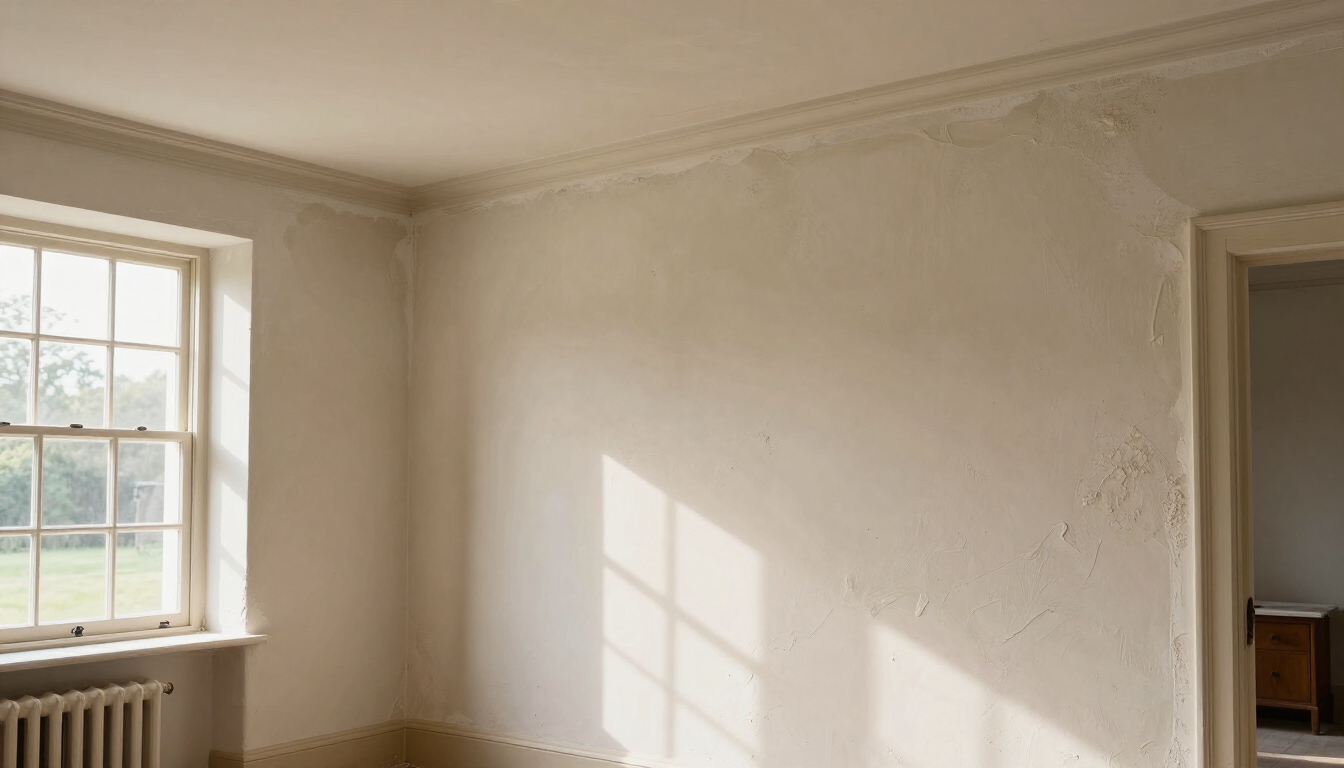
Winter-Proofing Your Historic Home: Essential Tips for Maintaining Period Properties
Grace Nacionales • March 14, 2025

Preserve Your Property’s Character While Protecting It from the Cold.
listed property restoration service

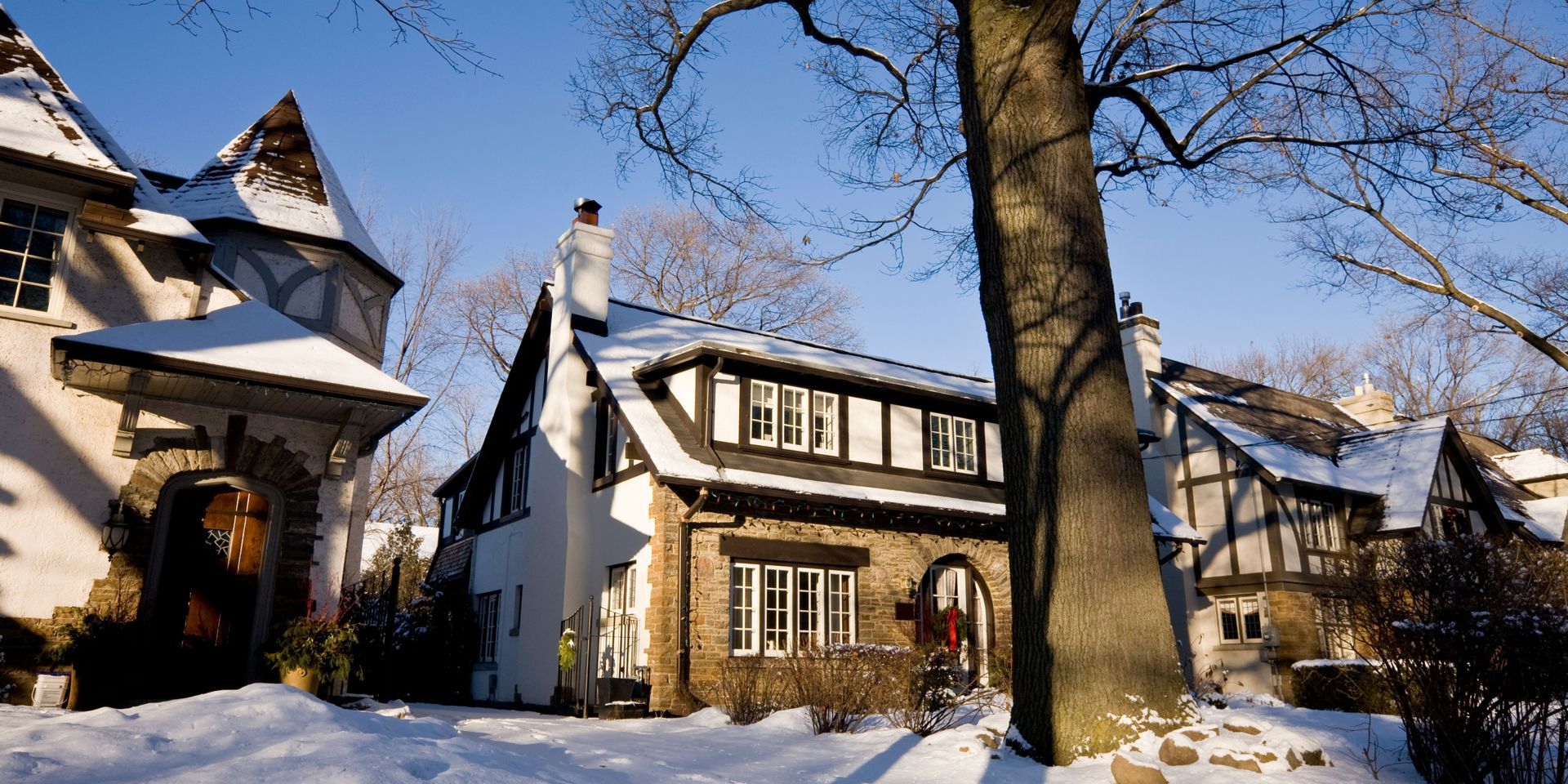
Preparing your historic home for winter is essential as colder months approach. Period properties with unique architectural features require special care to ensure they withstand winter's challenges. Winter-proofing involves preserving your home's charm while bolstering its resilience. Here are some essential tips for keeping your period property protected throughout winter using traditional, heritage-sensitive techniques.

Prevent Draughts, Preserve Character.


Many period homes feature single-glazed windows, which, while beautiful, can let in cold draughts. Replacing these with double glazing isn’t always possible in listed properties, but secondary glazing can help, adding an internal layer that insulates without altering the appearance. Heavy curtains on north-facing windows can also make a noticeable difference.


Draught-proofing doors are equally important. Old doors may have gaps around the edges, so adding draught excluders to doors, letterboxes, and keyholes can help retain warmth without compromising the traditional look.

Inspect Roofs and Clear Gutters

listed building restoration services

Historic homes often have traditional roofing materials like slate or clay tiles. A pre-winter roof inspection can prevent costly repairs later—check for loose tiles and cracks to avoid leaks. Also, make sure to clean gutters and downpipes, as debris build-up can block drainage, leading to water overflow, which can freeze and cause additional damage in winter.

Manage Damp and Condensation

Older properties are more susceptible to rising dampness and condensation during winter, as they lack modern damp-proofing features. Improve ventilation by opening windows briefly or installing discreet vents. Check cellars and basements, which are often the first areas affected by dampness, and consider using a dehumidifier to maintain stable humidity levels, reducing the risk of moisture damage.

Insulate Carefully to Protect Original Features

Traditional insulation materials such as sheep’s wool and wood fibre work well in older homes, retaining warmth without trapping moisture. Insulating loft spaces with breathable materials is a discreet and effective way to keep your home warmer without compromising its structure or appearance.

Protect Pipes from Freezing
Winter-Proofing Your Historic Home: Essential 2

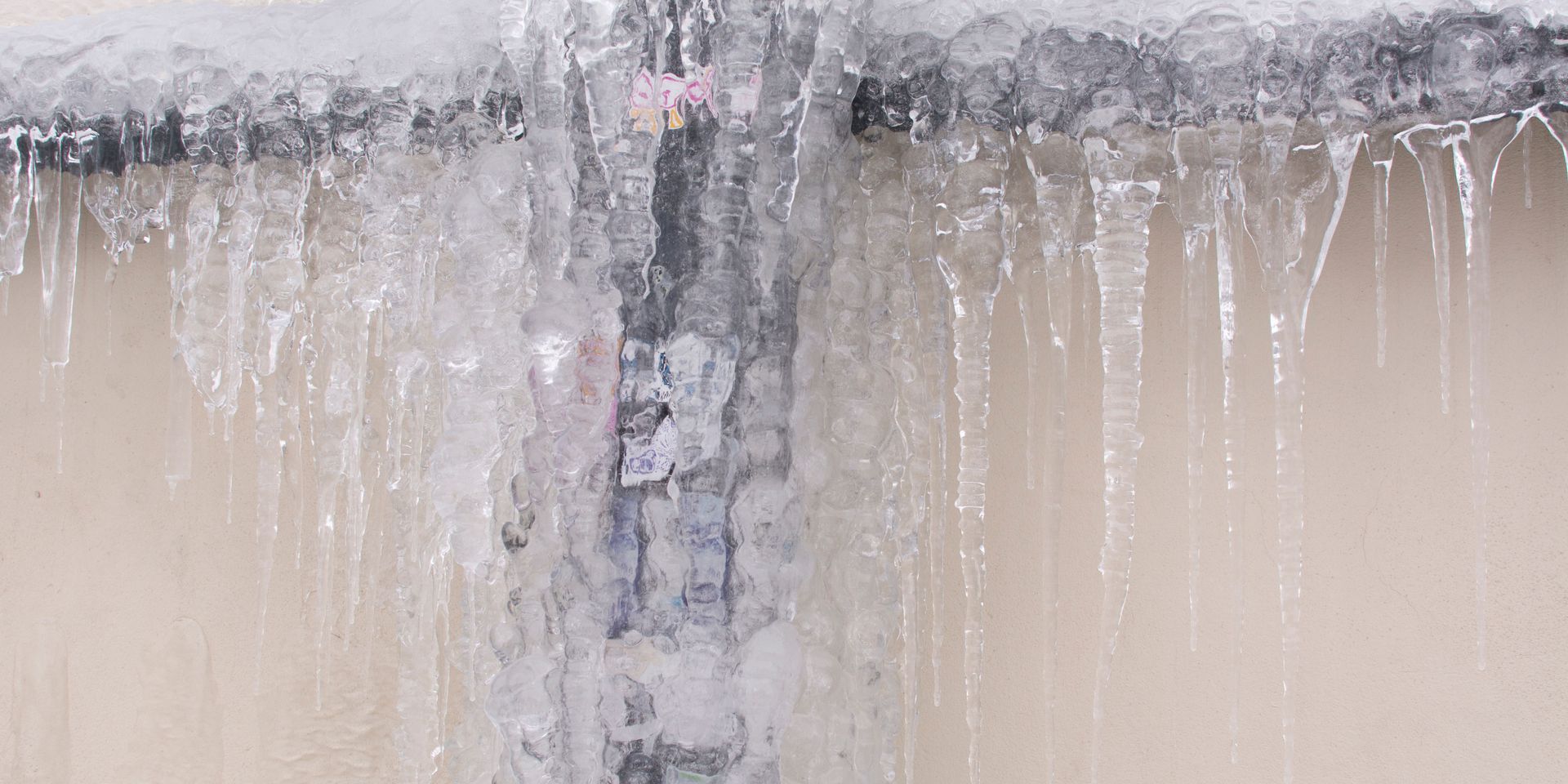
Exposed pipes in period homes can be vulnerable to freezing temperatures. Adding insulation sleeves to pipes, especially in unheated areas like cellars, can prevent freezing and bursting. Have your heating system serviced before winter to ensure it’s in good working order and reduce the risk of breakdowns during the coldest months.

Preserve Exterior Masonry and Woodwork
Winter-Proofing Your Historic Home: Essential 3

Inspect exterior walls for cracks, especially where lime mortar is used, as it allows walls to breathe but can wear down over time. Repair any damage with traditional lime mortar rather than cement, which can trap moisture. Woodwork, like window frames and doors, should also be inspected; applying a weather-resistant finish can help protect these features while retaining their original character.

Conclusion

Preparing a historic property for winter requires extra care, but with a few simple steps, you can protect its charm and structure. From draught-proofing to traditional masonry repairs, winter-proofing your home this autumn ensures it remains resilient through the cold months.

Protect Your Period Property This Winter

For expert winter-proofing services, visit www.pointbuilders.co.uk and learn how we can help preserve your property’s character while enhancing its durability.

Contact Us

September 10, 2026
Learn when to hire a carpenter, joiner or general builder in the UK, typical 2026 rates, and how good coordination prevents delays and cost creep.
Modern glass garden pavilion with outdoor seating, surrounded by lush flowers and greenery under a cloudy sky
By Geoff Spinks September 8, 2026
September in Bournemouth, Christchurch and the New Forest is beautiful but with summer winding down, a lot of homeowners are already thinking about what life looks like come autumn. A garden room could be the answer.
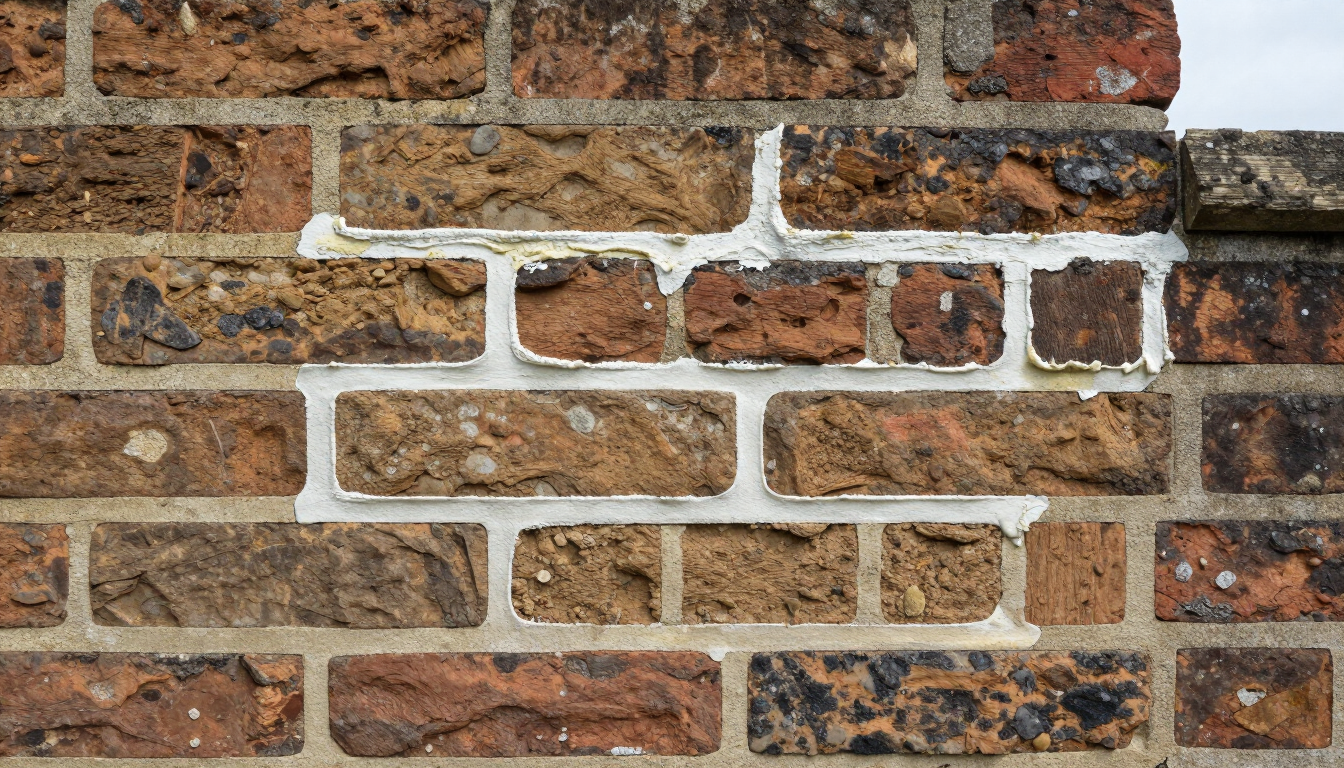
Close-up of a weathered brick wall with white mortar repairs.
By Geoff Spinks August 28, 2026
Discover why lime repointing is essential for older properties and how cement repointing can cause costly damage to historic brick and stonework.
Worker installing large sliding glass doors on a two-story brick house extension
By Geoff Spinks August 21, 2026
Planning domestic extensions? Discover why hiring a specialist refurbishment builder ensures a smoother project, better quality, and long-term value.
Floor plan sketches on a wooden table with tile samples and a calculator, suggesting interior design planning
By Geoff Spinks August 13, 2026
Planning a home renovation in 2026? Discover realistic costs, top budget priorities, and expert tips for a successful project. Contact Point Builders today.
Bright modern living room with two beige sofas, large windows, plants, and a low coffee table
By Geoff Spinks August 11, 2026
With August in full swing and the school holidays underway, a lot of homeowners across Bournemouth, Christchurch and the New Forest are suddenly very aware of one thing, they've run out of space.
By Geoff Spinks July 13, 2026
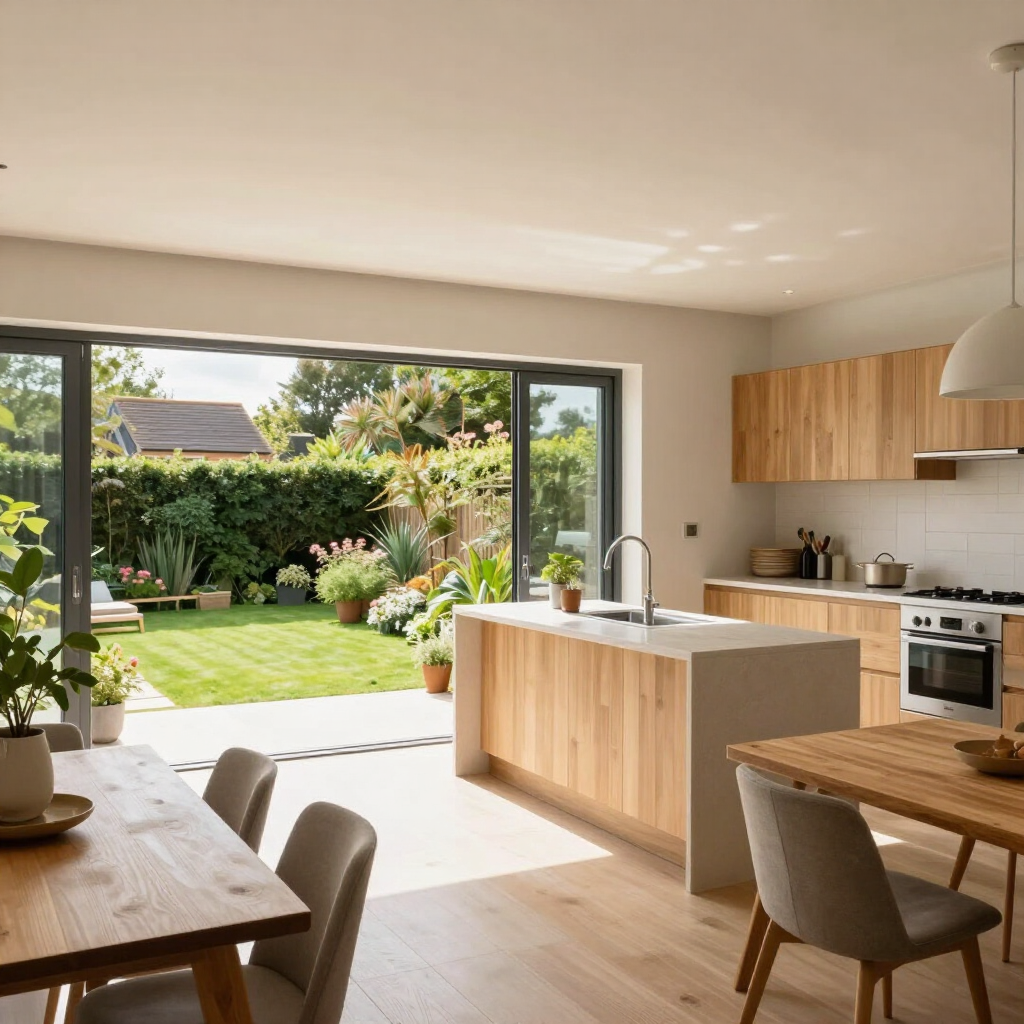
If you've spent any time this June trying to squeeze the whole family into a small kitchen while the garden sits empty just beyond the back door, you're not alone. It's one of the most common things we hear from homeowners across Bournemouth, Christchurch and the New Forest. A rear extension changes everything. It blurs the line between inside and out, exactly what you want during the longer, warmer months. Imagine a bright, open kitchen-diner with glazed doors that fold right back onto the garden. Suddenly, summer entertaining isn't a juggling act, it just flows. And here's the practical bit: summer is genuinely one of the best times to get a project like this moving. The ground is drier, the days are longer, and build times are generally quicker with better weather on our side. More importantly, getting plans agreed now means you could be enjoying a brand new space well before the nights start drawing in. Whether you're after something modest or a real showstopper, we'll guide you through the whole process; No stress, no confusion. Fancy a free chat about what's possible? Give us a call today.
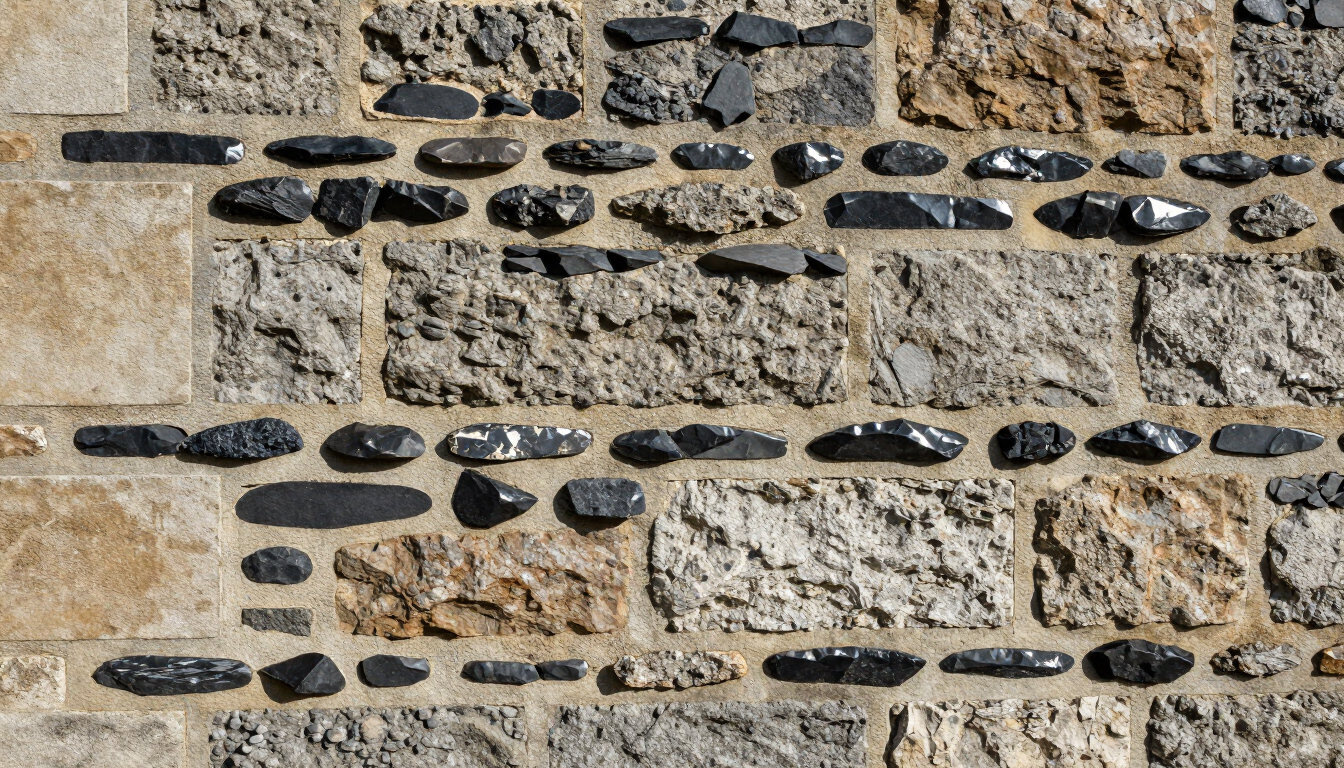
Rough tan stone wall with horizontal rows of dark pebbles embedded in the surface
By Geoff Spinks July 9, 2026
Discover why stone and flint work remains one of Britain's most valued traditional building crafts and how expert restoration preserves historic homes.
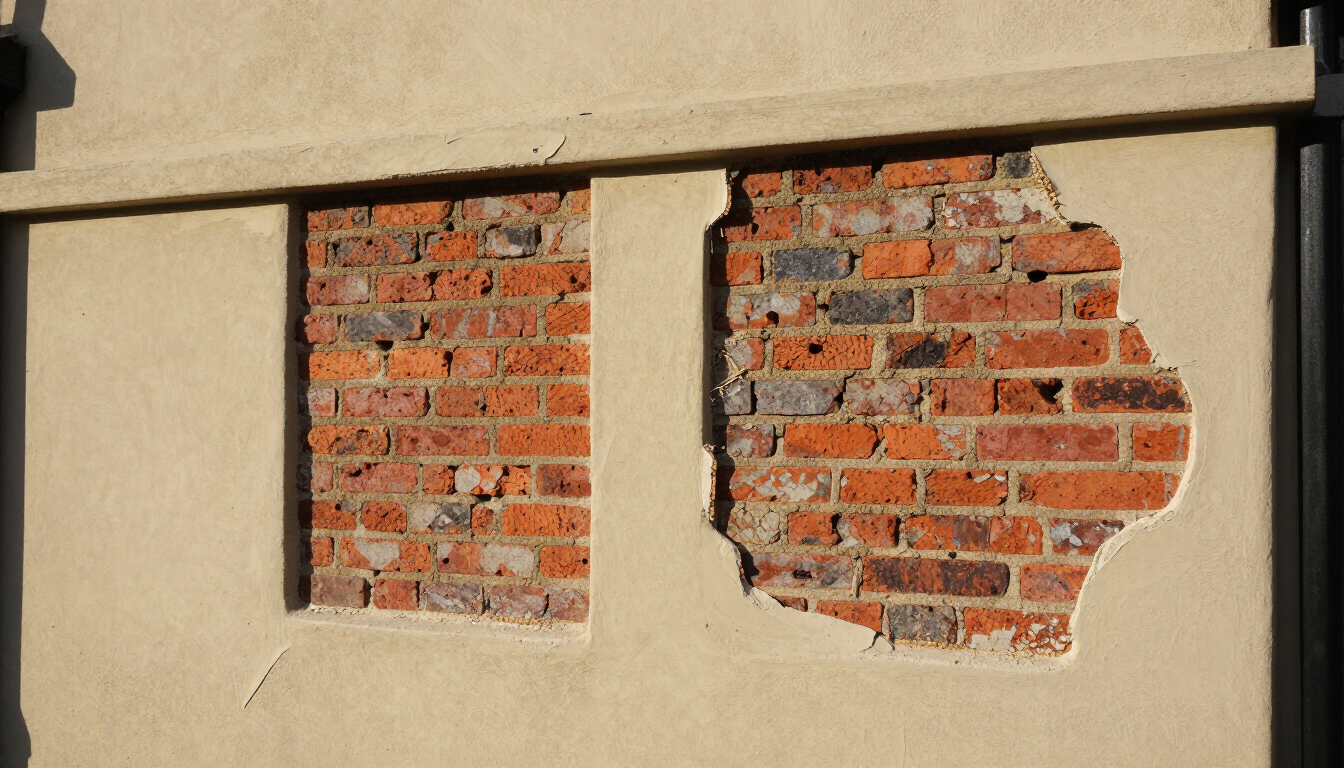
Two exposed red-brick patches in a beige stucco wall, with cracked plaster around them
By Geoff Spinks July 9, 2026
Learn how lime mortar plastering protects older and listed UK buildings, reducing damp, decay and costly damage while preserving historic character.
Empty white room with two windows, radiator, and sunlight casting shadows on the wall
By Geoff Spinks July 9, 2026
Use our summer maintenance checklist to spot cracks, damp and sagging in lath and plaster, with guidance on heritage lime repairs and costs for old homes.