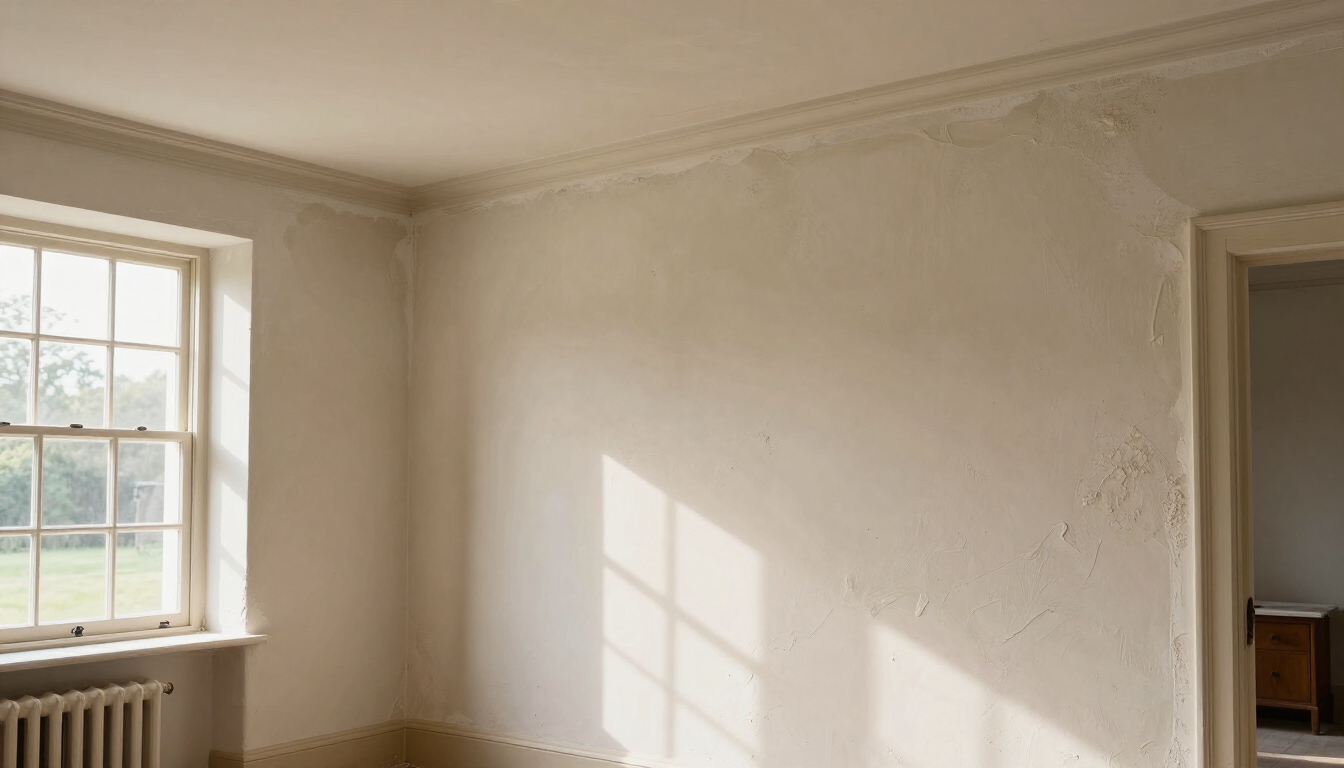
Overcoming the Common Hurdles in Historic Building Restoration.
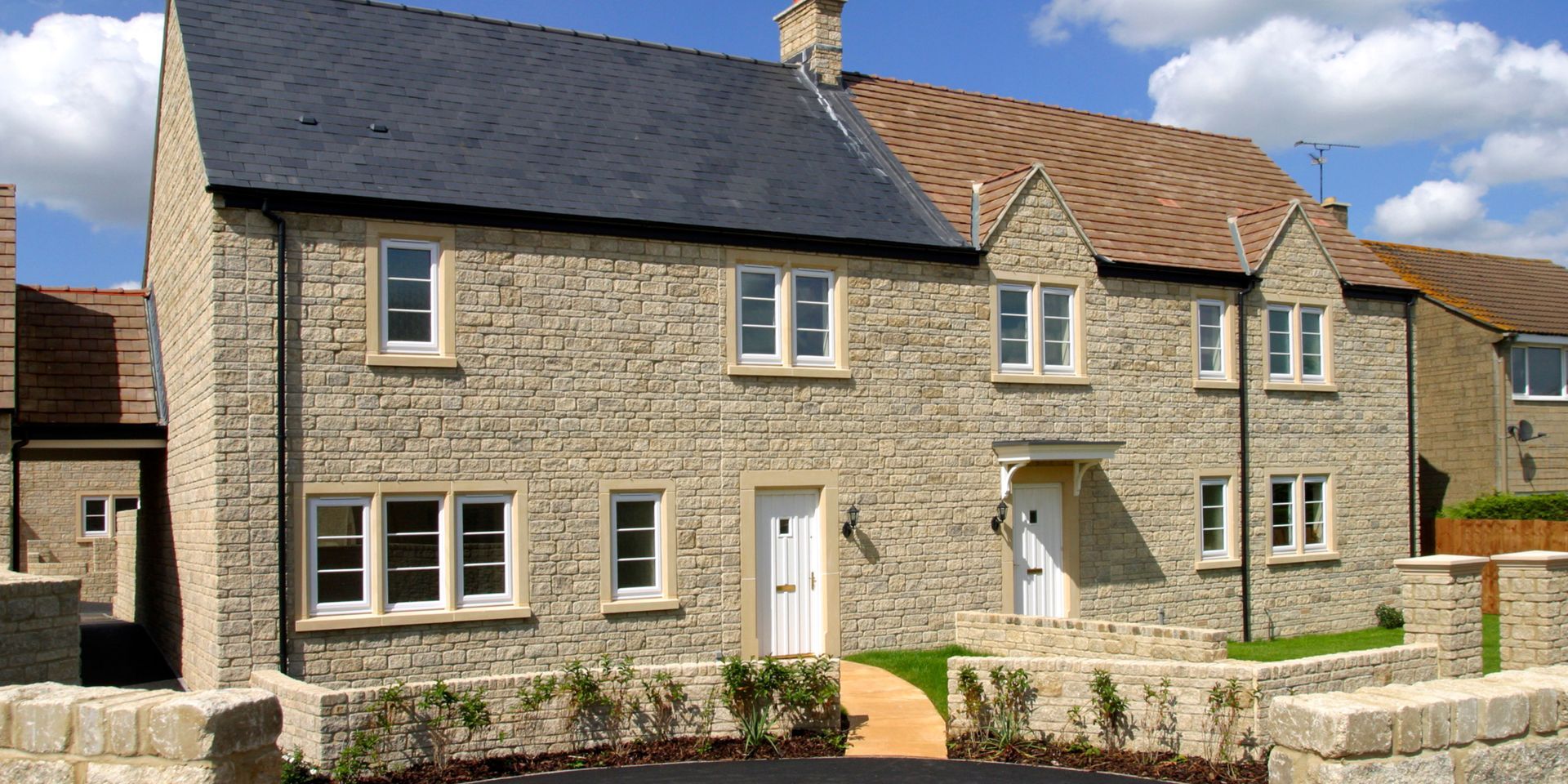
Restoring period properties is a rewarding yet complex task. These historical structures have unique architectural features and timeless charm, but they also come with challenges that can test even the most experienced builders. In this guide, we explore the common challenges in restoring period properties and offer practical solutions to address them.
1. Structural Issues
Challenge: Many period properties have structural problems due to age, weathering, and historical building methods. Common issues include foundation instability, sagging roofs, and deteriorating support beams.
Solution: A thorough structural assessment is essential. Engage a structural engineer to evaluate the property's integrity. Reinforce foundations using modern techniques that respect the original structure, such as underpinning or resin injections. For roofs and support beams, consider using materials like steel or engineered wood that offer added strength while maintaining an authentic appearance.
2. Finding Authentic Materials
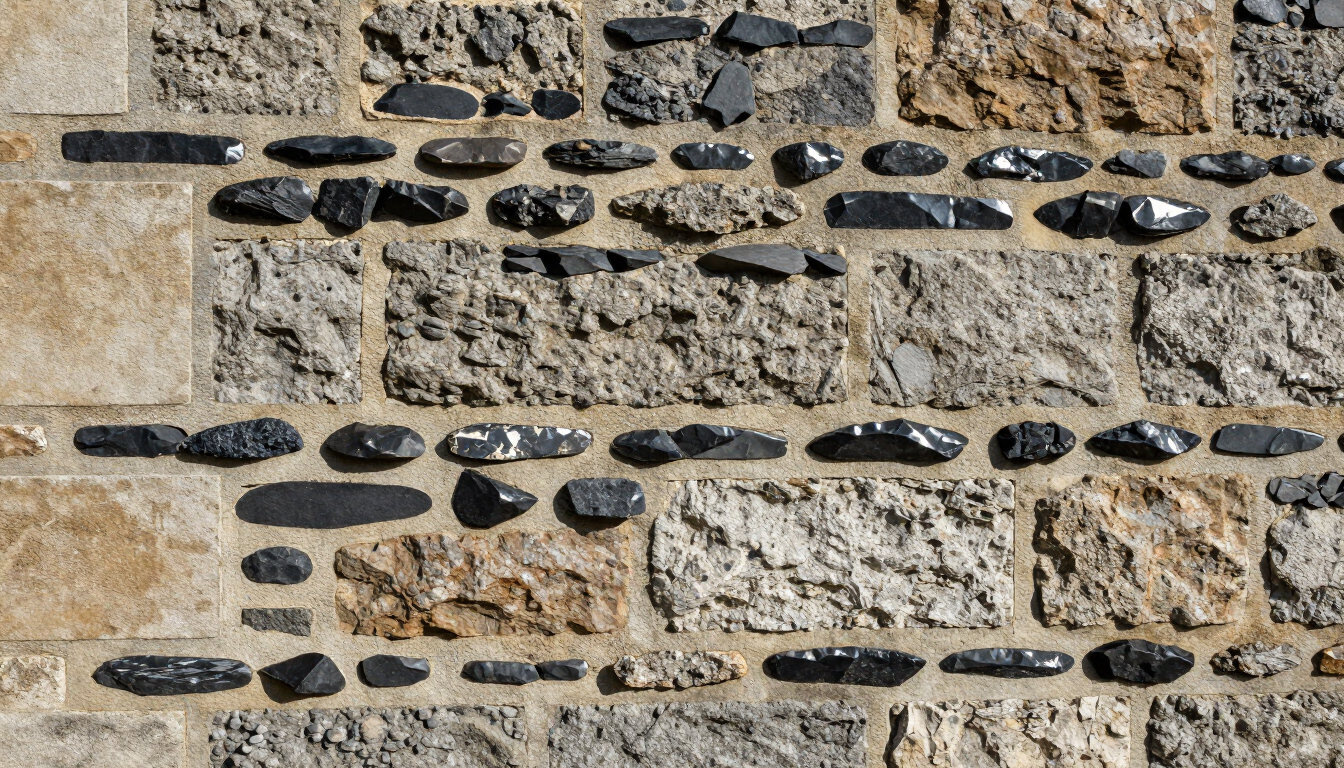
Challenge: Sourcing materials that match the original construction can be difficult. Bricks, stones, tiles, and timber from the original era might be rare or no longer produced.
Solution: Work with specialised suppliers who deal in reclaimed and reproduction materials. Salvage yards and bespoke manufacturers can provide materials that closely match the originals. In some cases, custom manufacturing might be necessary to replicate unique features. Always ensure that new materials blend seamlessly with the old to maintain the property's historical integrity.
3. Preserving Historical Features
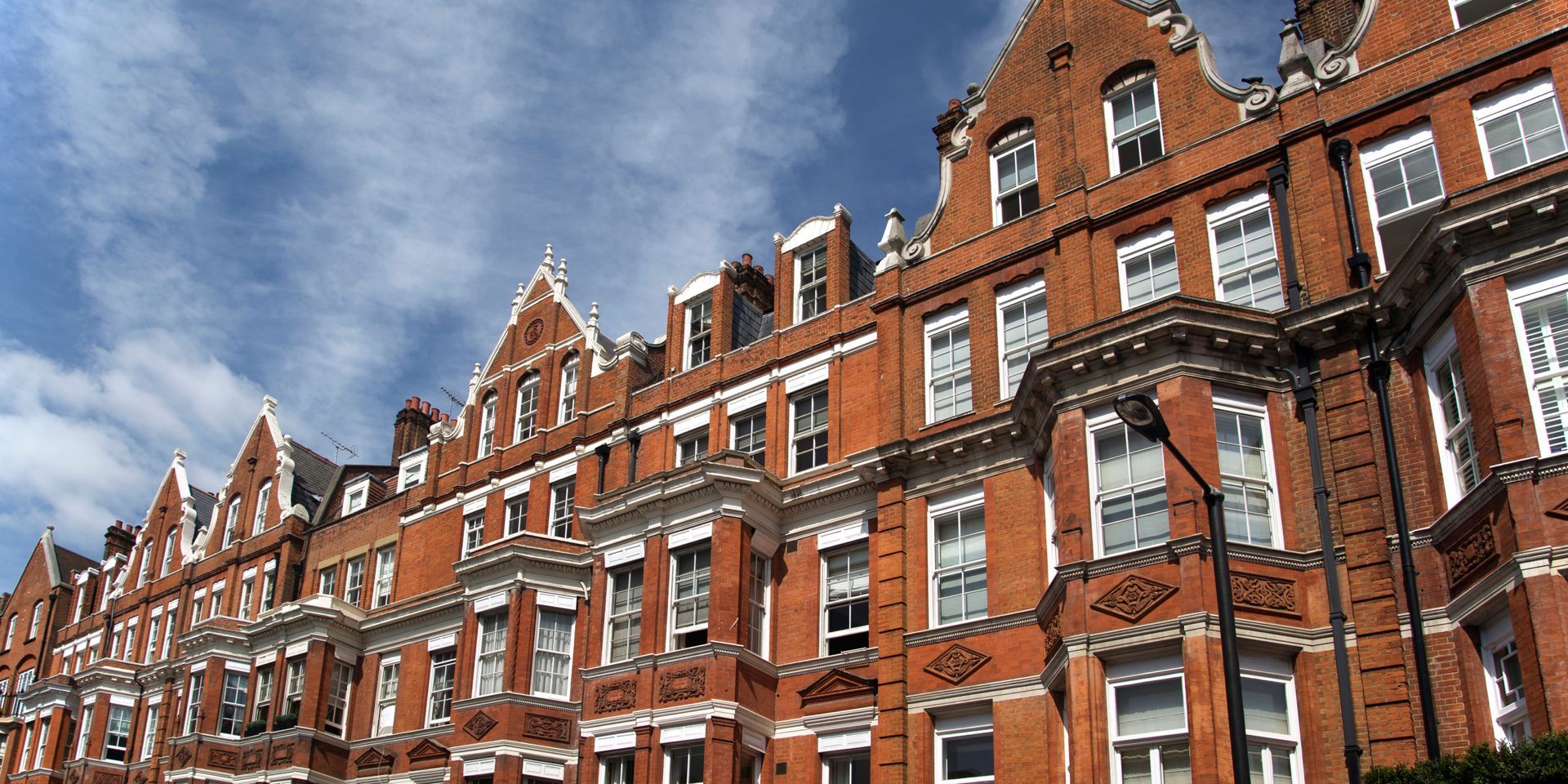
Challenge: Period properties often have unique architectural features like ornate plasterwork, woodwork, and ironmongery that need to be preserved.
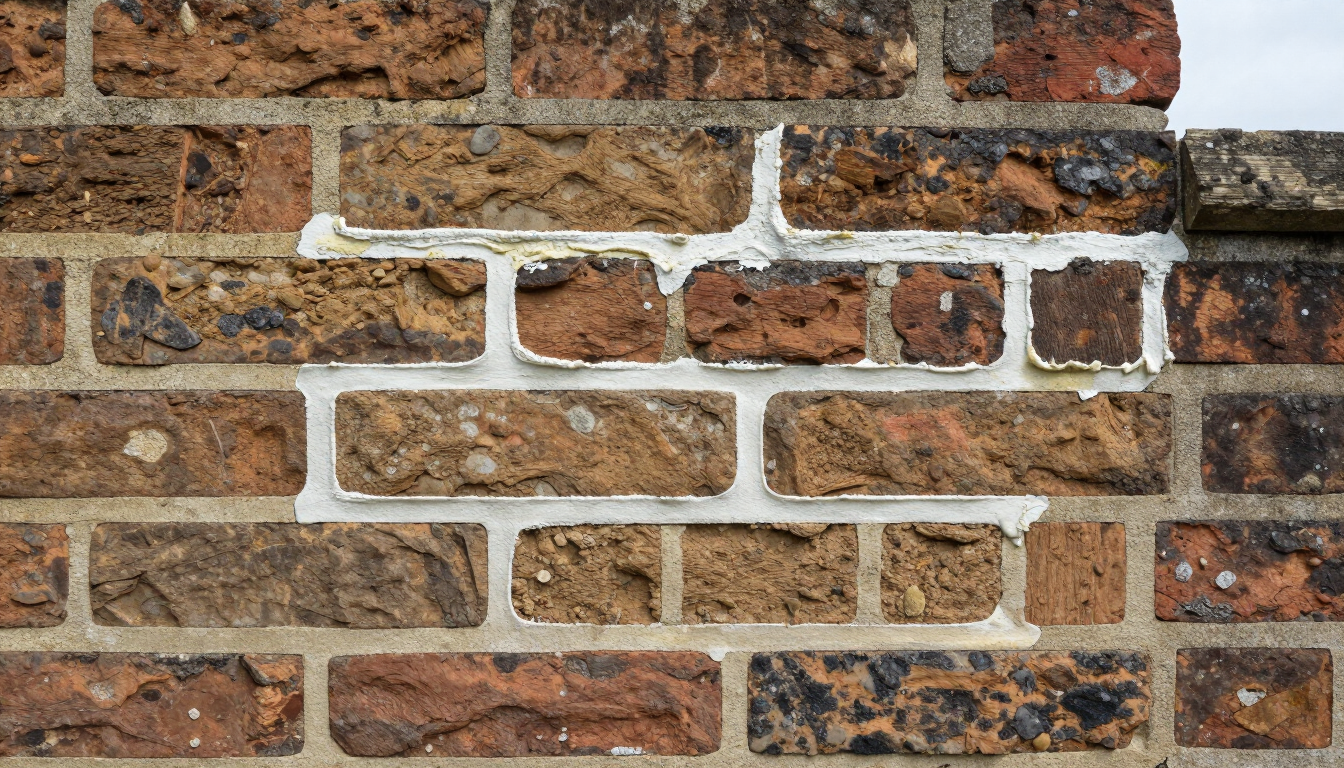
Solution: Employ skilled craftsmen who specialise in traditional techniques. For plasterwork, use lime-based plasters and paints that are historically accurate. Woodwork can be restored by skilled joiners who understand traditional carpentry methods. For metal features, engage blacksmiths or metalworkers who can refurbish or recreate intricate details.
4. Meeting Modern Building Standards
Challenge: Ensuring that period properties meet current building regulations, especially regarding safety and energy efficiency, can be challenging without compromising historical authenticity.
Solution: Collaborate with building inspectors and conservation officers to find a balance between compliance and preservation. Use modern insulation materials that can be discreetly installed without altering the appearance of the property. For safety, ensure that electrical systems and plumbing are updated to current standards while concealing new installations within existing structures where possible.
5. Dealing with Damp and Decay
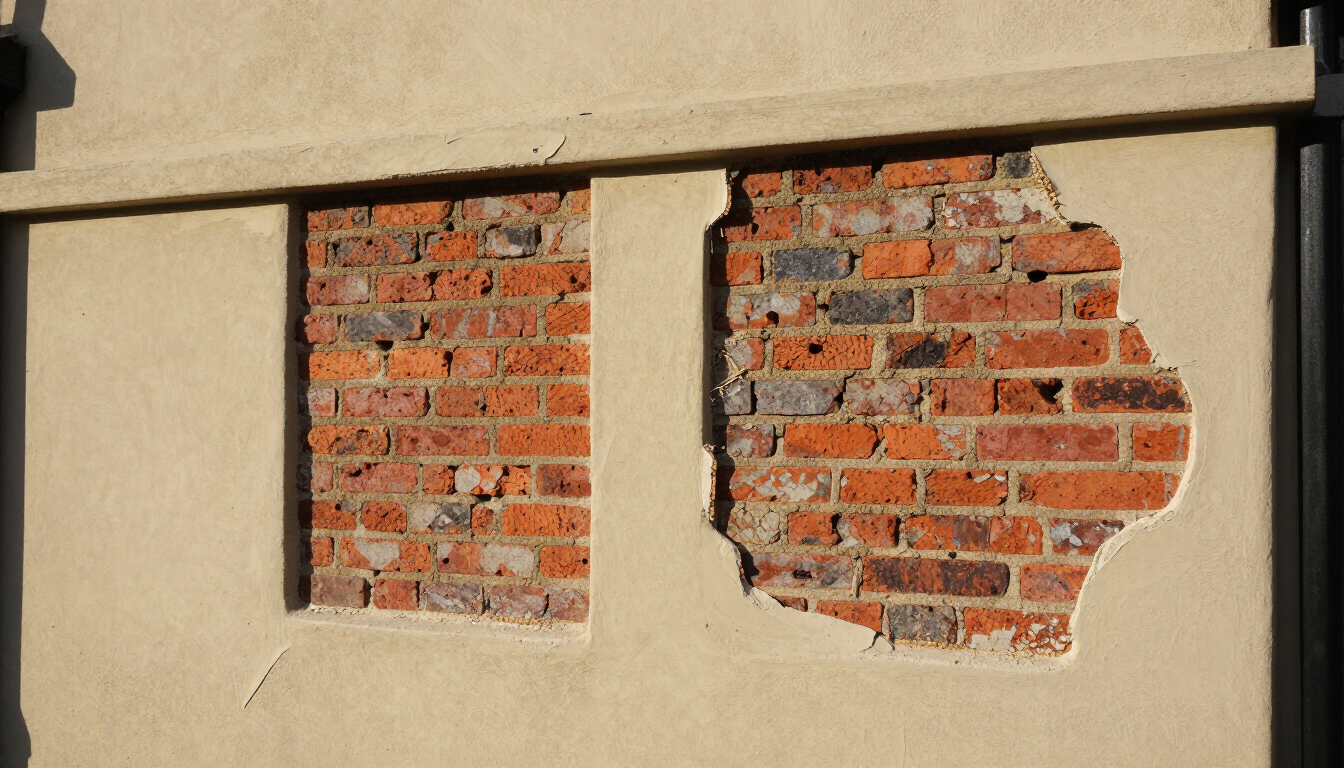
Challenge: Dampness and decay are common in older buildings, often resulting from inadequate ventilation, rising dampness, or leaking roofs.
Solution: Address the root cause of damp issues rather than just treating the symptoms. Improve ventilation through unobtrusive methods such as air bricks or discreet ventilation systems. Use damp-proofing techniques like tanking or installing damp-proof membranes. For decayed timber, replace affected areas with treated wood and ensure that the property is properly weatherproofed to prevent future issues.
6. Navigating Planning Permissions and Regulations
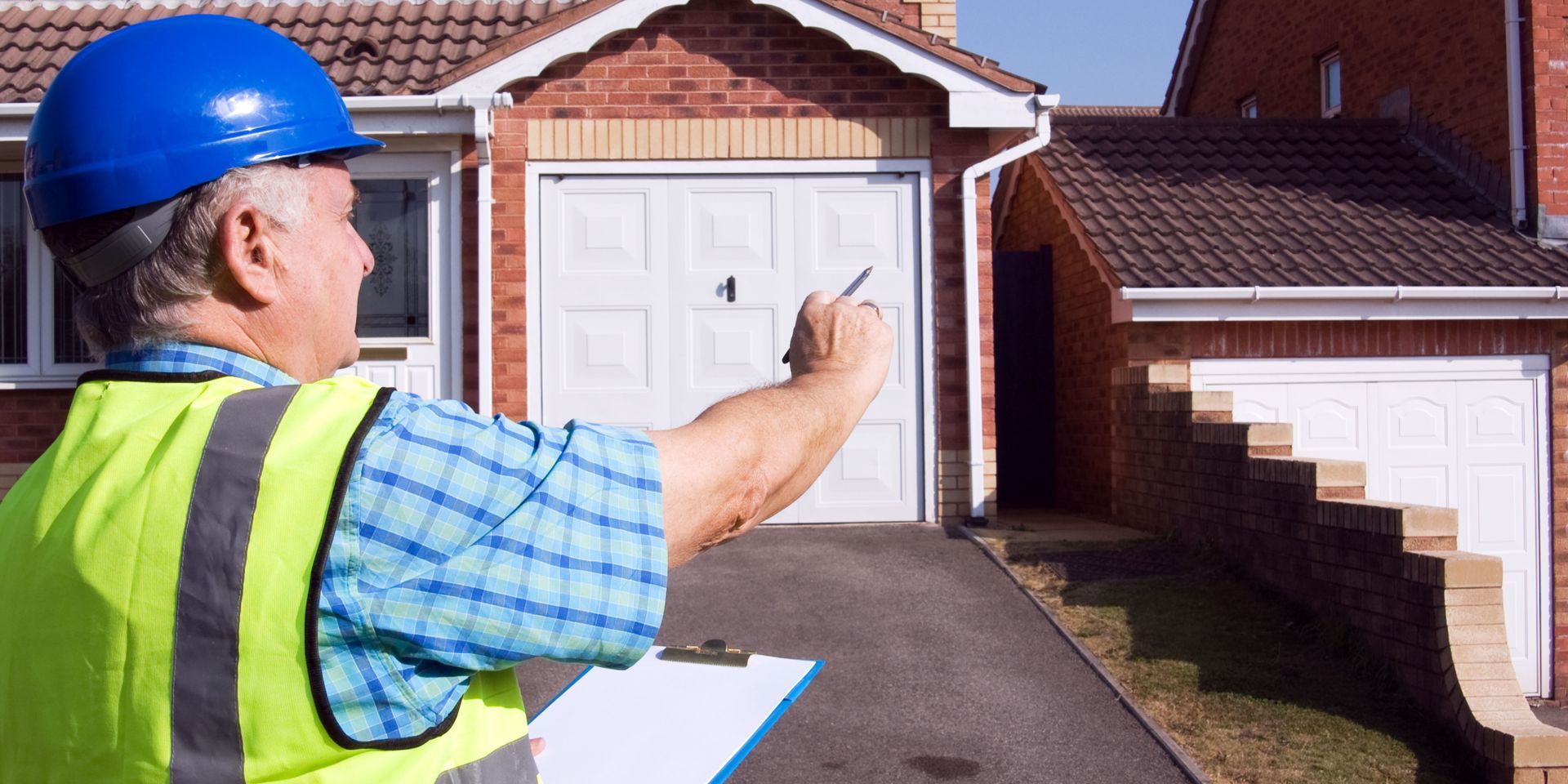
Challenge: Restoring a listed building or a property within a conservation area often requires navigating complex planning permissions and regulations.
Solution: Engage with local planning authorities early in the project. Hire an architect or consultant with experience in heritage projects to guide you through the application process. Detailed documentation and a clear plan demonstrating respect for the property's historical significance can help expedite approvals.
Conclusion
Restoring period properties comes with its own set of challenges, but with careful planning and expert craftsmanship, these challenges can be managed effectively. At Point Builders, we specialise in the restoration and modernisation of listed and period properties, ensuring that each project respects the past while embracing the future.
Ready to start your restoration project? Visit www.pointbuilders.co.uk to learn more about our services and how we can help you bring your period property back to life.
Contact Us